
Books & Catalogs
Custom Books & Catalogs
Commercial books and catalogs produced around your content, print, format and binding requirements.
Product Category
Commercial books and catalogs produced around your format, print and binding requirements.
Books & Catalogs
Commercial books and catalogs produced around your content, print, format and binding requirements.

Books & Catalogs
Custom brand lookbooks for collections, seasonal ranges, campaigns and premium product presentation.

Books & Catalogs
Custom collection books for curated products, editorial presentations, portfolios and branded reference material.

Books & Catalogs
Custom commercial books for branded publications, business presentations and long-form printed content.

Books & Catalogs
Custom corporate books for company profiles, project records, presentations and internal or external communications.

Books & Catalogs
Custom printed reference books for technical, educational, commercial and product-support information.
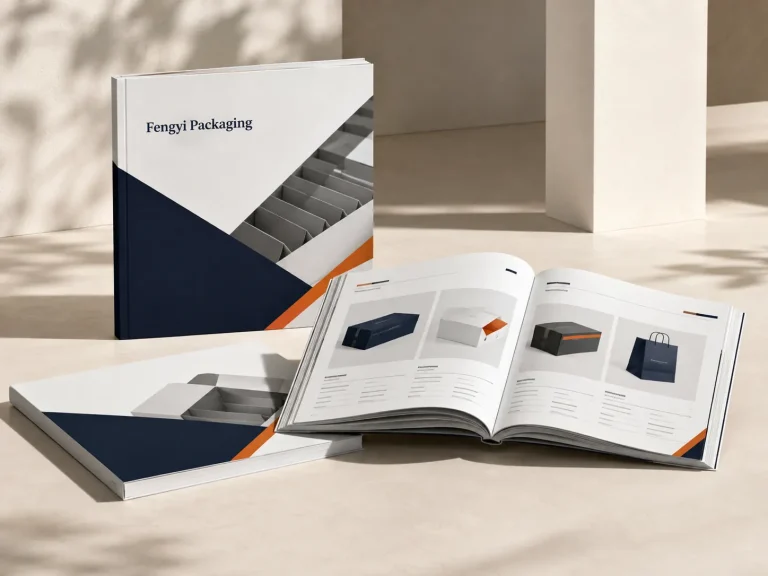
Books & Catalogs
Custom printed product catalogs for wholesale ranges, sales teams and retail presentations.

Books & Catalogs
Custom product range books for structured collections, specifications, options and buyer presentations.
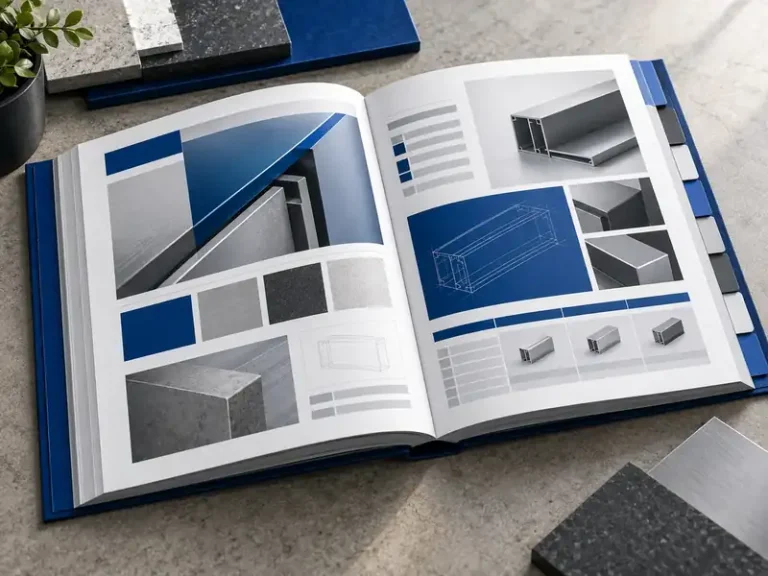
Books & Catalogs
Custom reference catalogs for organised product ranges, technical information and buyer selection.

Books & Catalogs
Custom retail lookbooks for seasonal collections, product presentation, sales meetings and buyer review.
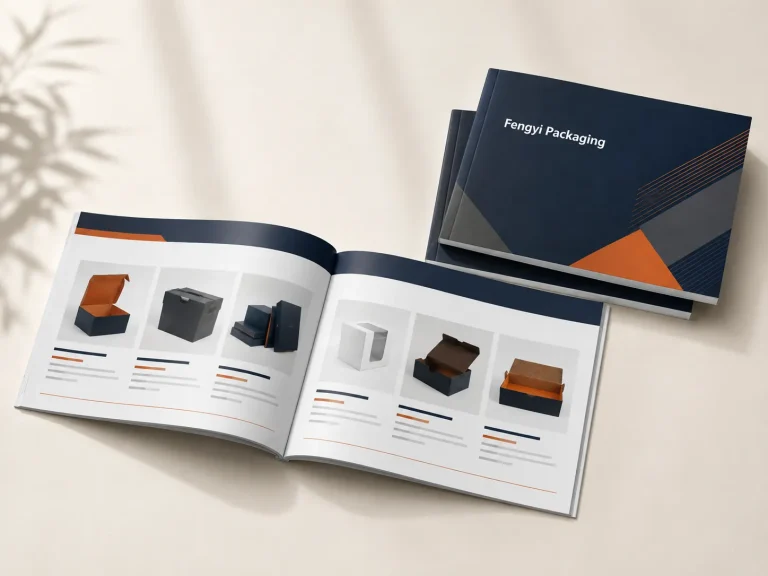
Books & Catalogs
Custom sales catalogs for wholesale, distributor and retail product presentations.
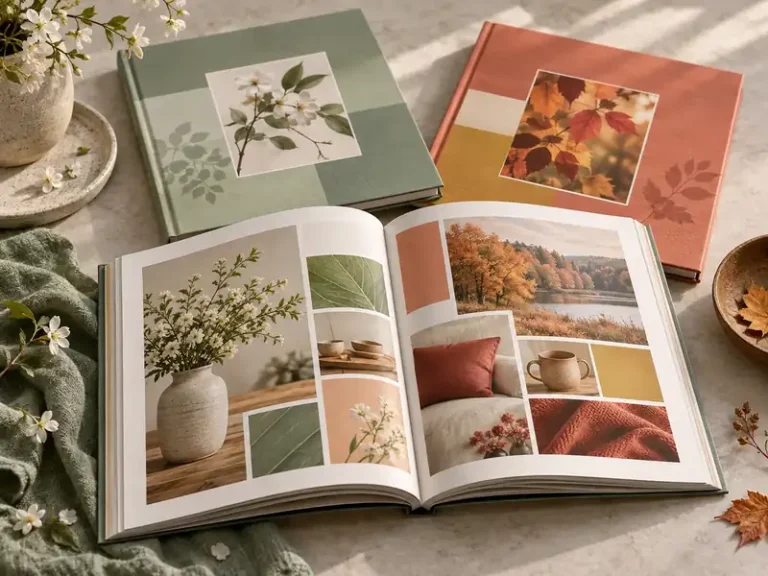
Books & Catalogs
Custom seasonal catalogs for product ranges, launches, promotions and time-sensitive sales presentations.
Book and catalog buyer guide
A successful catalog or book must hold a long sequence of pages together while keeping photography, diagrams and product information consistent. Begin with the final size, page count, content structure, quantity, editions, expected life and distribution method. These decisions control paper selection, binding, spine width, cover construction, colour management, proofing and packing.
Review the complete book at actual size. Check pagination, crossovers, colour, paper opacity, trimming, spine copy, cover wrap, binding strength and opening behaviour. Compare every edition and language against the approved file before mass production and confirm carton quantities for distribution.
Request a book and catalog quotationProvide the finished size, page count, quantity, binding style, cover and text paper preferences, print colours, artwork status, finishing, packing method, destination and target date. Identify every language, edition or seasonal version and share the expected spine width or final files so pagination and binding can be checked accurately.
Saddle stitching suits lower page counts and opens easily, while perfect binding gives larger catalogs and lookbooks a clean printable spine. Case binding supports premium books intended for long-term use. Wire binding is practical for reference materials that need to remain open. Page count, paper thickness, opening behaviour, budget and expected life should guide the choice.
Select cover stock for stiffness, protection and finish, then choose text paper for opacity, image reproduction, bulk and page-turning feel. Coated paper supports crisp photography, while uncoated paper provides a softer editorial character. Paper combinations should be tested together because total thickness affects spine width, opening and shipping weight.
Approve a complete imposed proof for page sequence, trim, bleed, image quality, colour, fonts, crossovers and version control. A bound production-equivalent sample is recommended when spine width, cover wrap, paper feel, opacity, binding strength, lay-flat behaviour or colour consistency across many pages is important.