
Drawer Boxes
Custom Branded Drawer Packaging
Custom branded drawer packaging for B2B projects. Discuss artwork, size, materials, printing, finishing and packing with Fengyi Packaging.
Product Category
Rigid drawer-style paper boxes for premium product presentation and gifting.
Drawer Boxes
Custom branded drawer packaging for B2B projects. Discuss artwork, size, materials, printing, finishing and packing with Fengyi Packaging.

Drawer Boxes
Custom cosmetic drawer boxes for beauty products, sets and premium retail presentation.
Drawer Boxes
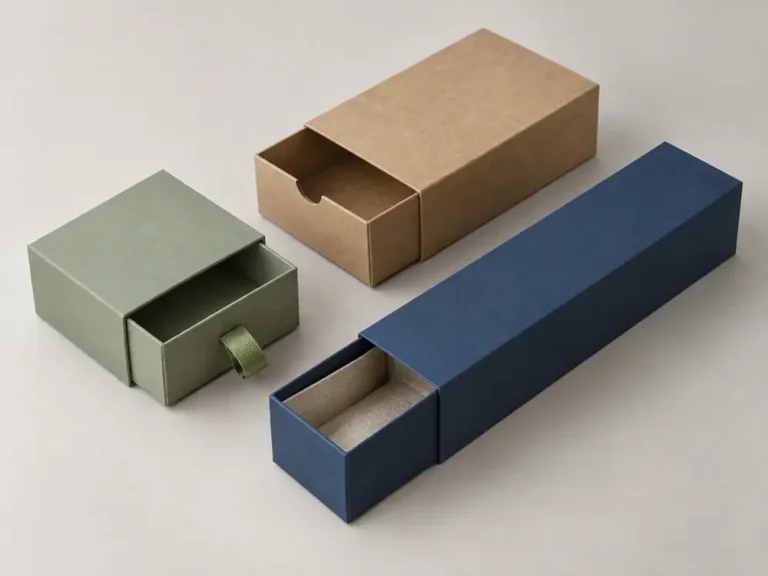
Custom drawer boxes with a sliding tray and outer sleeve for retail, gift and presentation packaging.
Drawer Boxes
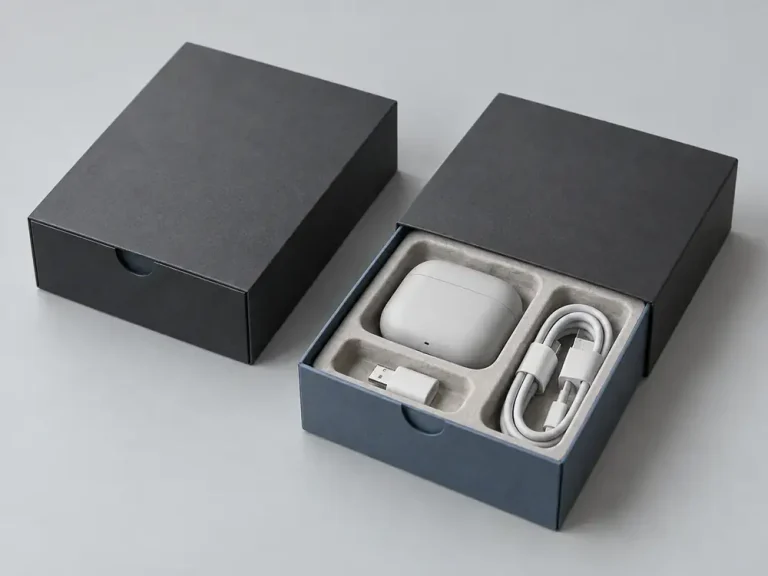
Custom electronics drawer boxes for B2B projects. Discuss artwork, size, materials, printing, finishing and packing with Fengyi Packaging.

Drawer Boxes
Custom gift drawer boxes for organised sets, premium presentation and branded packaging.
Drawer Boxes
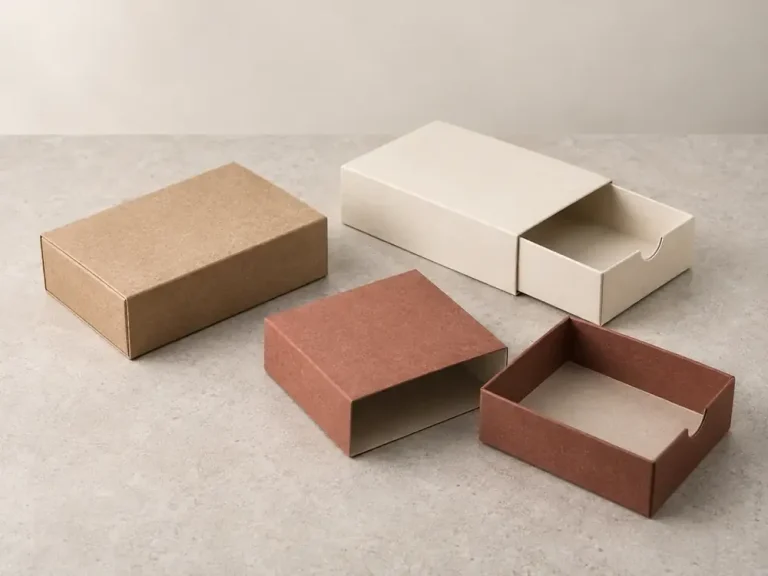
Custom paperboard drawer packaging for B2B projects. Discuss artwork, size, materials, printing, finishing and packing with Fengyi Packaging.
Drawer Boxes
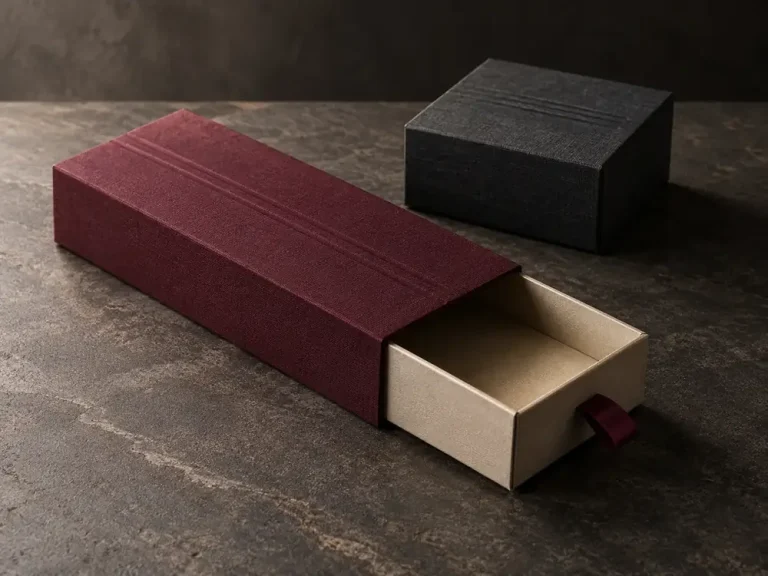
Custom premium slide boxes for B2B projects. Discuss artwork, size, materials, printing, finishing and packing with Fengyi Packaging.
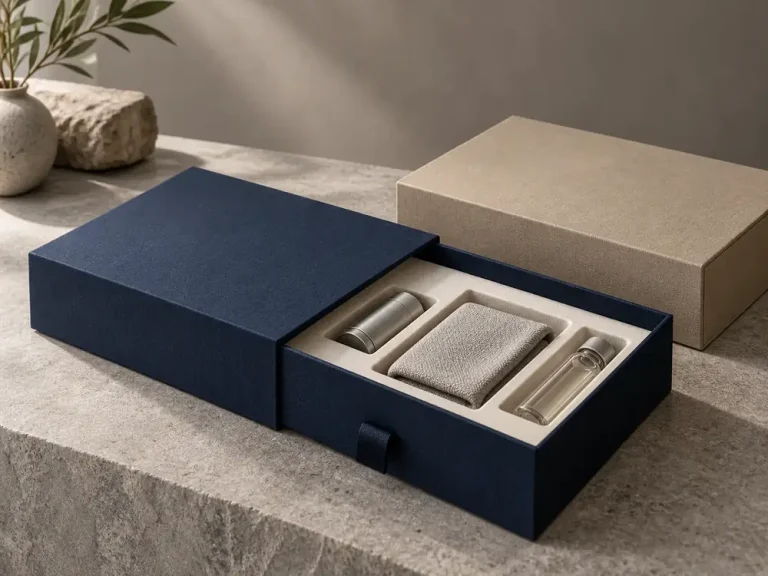
Drawer Boxes
Custom product presentation drawer boxes for B2B projects. Discuss artwork, size, materials, printing, finishing and packing with Fengyi Packaging.
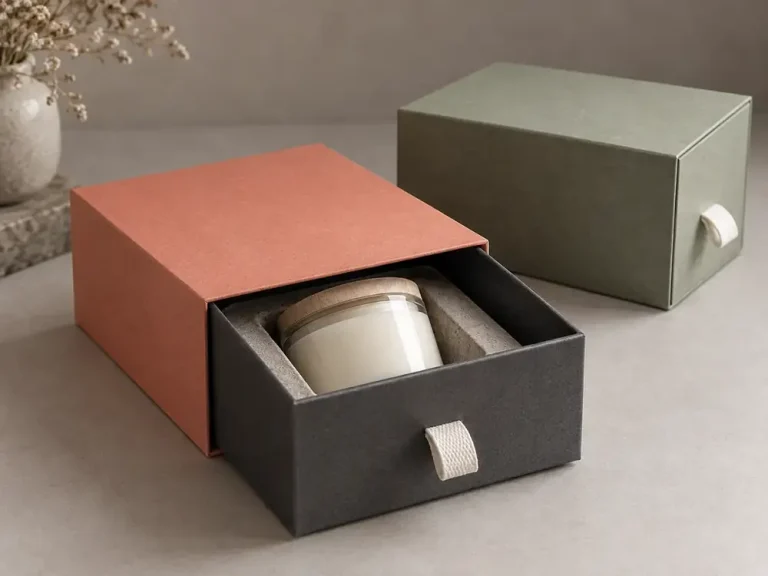
Drawer Boxes
Custom retail drawer boxes for B2B projects. Discuss artwork, size, materials, printing, finishing and packing with Fengyi Packaging.
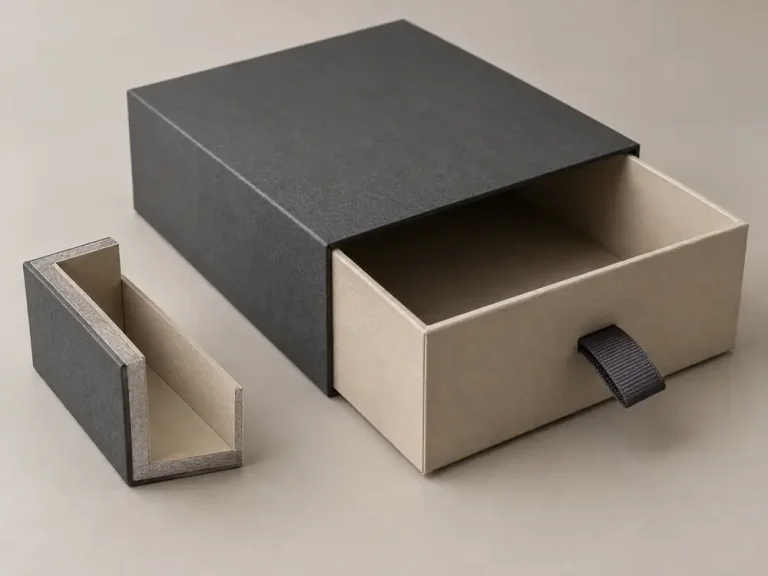
Drawer Boxes
Custom rigid drawer boxes with a sliding tray for premium products, gifts and presentation kits.
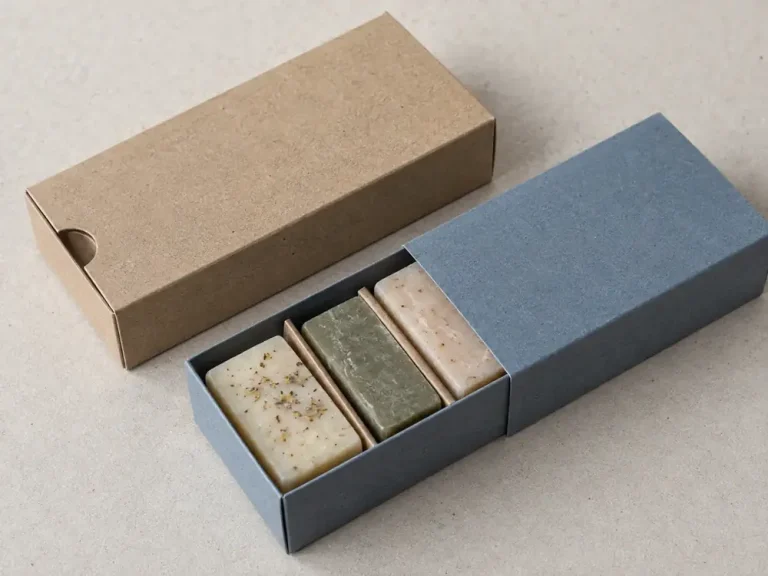
Drawer Boxes
Custom sliding paper boxes for B2B projects. Discuss artwork, size, materials, printing, finishing and packing with Fengyi Packaging.
Drawer Boxes
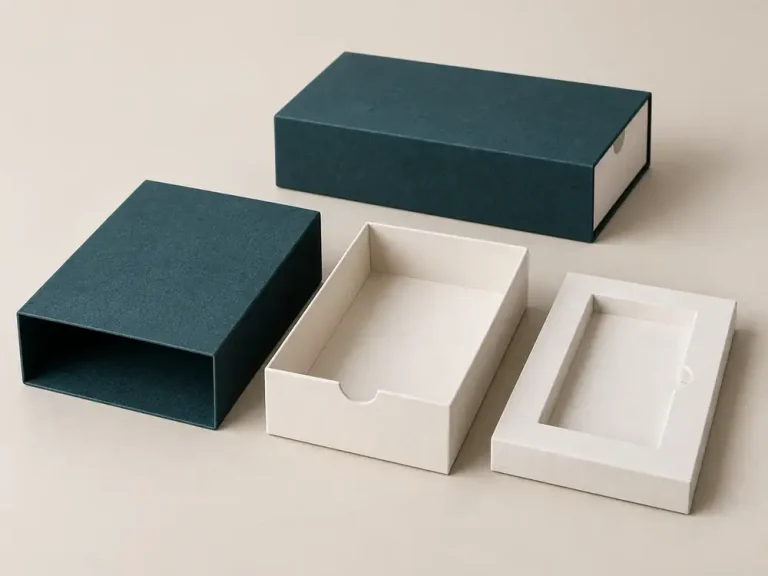
Custom tray and sleeve boxes developed around product dimensions, presentation and handling requirements.
Buyer guide
A drawer box depends on controlled movement between the outer sleeve and inner tray. Board thickness, wrap build-up, tray clearance, pull access, insert height and packed-product weight should be developed as one system so the drawer opens smoothly and remains aligned throughout handling.
A representative packed product and physical sample help confirm tray movement, reveal, pull access, insert retention and finished tolerances before mass production.
Request a drawer box quotationA wrapped rigid drawer box provides greater stiffness and a premium presentation, while a folding-paperboard tray and sleeve can reduce material, storage and packing volume. Product weight, dimensions, protection, presentation, assembly and delivery route should be compared before choosing the construction.
The required clearance depends on board thickness, paper wrap, insert load, tray depth and manufacturing tolerances. The drawer should move smoothly without rattling or binding, so fit is best confirmed with the actual packed product and a physical structural sample.
A ribbon or woven pull creates a tactile premium opening, while a semicircle thumb notch offers a clean paper-based solution and simpler packing. Pull position, length, attachment and strength should be tested against the loaded drawer and intended opening direction.
Approve internal and external dimensions, sleeve-to-tray clearance, product and insert fit, pull access, board and wrap materials, artwork position, finishing and packing method. A physical sample is recommended for confirming movement, tolerances and the complete opening experience.