Folding Cartons
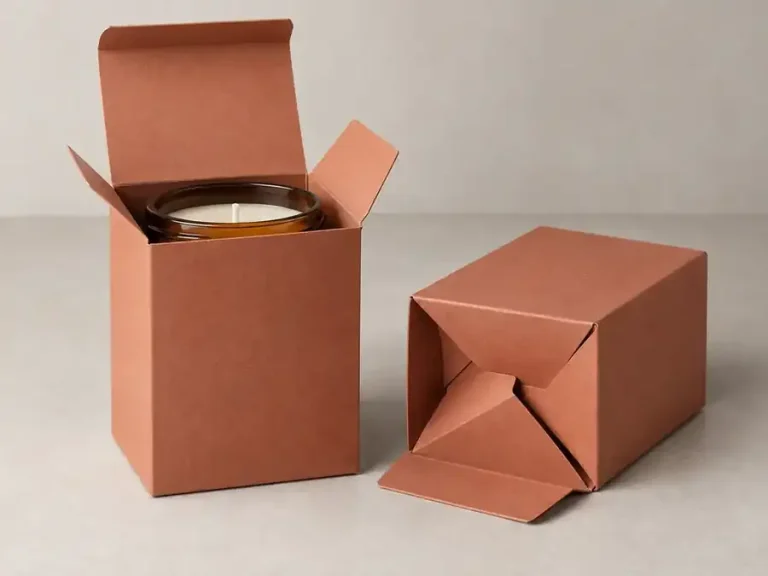
Custom Auto Bottom Cartons
Custom auto-bottom cartons for efficient packing, secure bases and branded retail presentation.
Product Category
Custom folding cartons for retail presentation and paper packaging projects.
Folding Cartons
Custom auto-bottom cartons for efficient packing, secure bases and branded retail presentation.
Folding Cartons
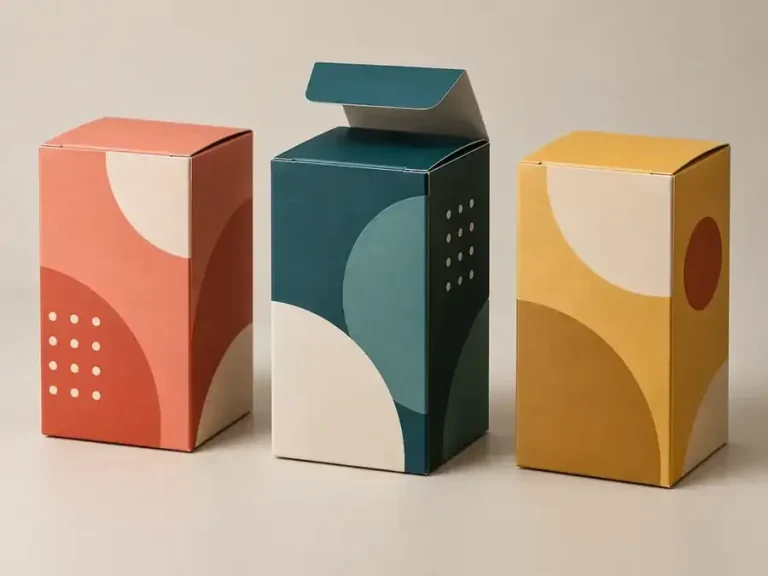
Custom branded folding boxes for B2B projects. Discuss artwork, size, materials, printing, finishing and packing with Fengyi Packaging.
Folding Cartons
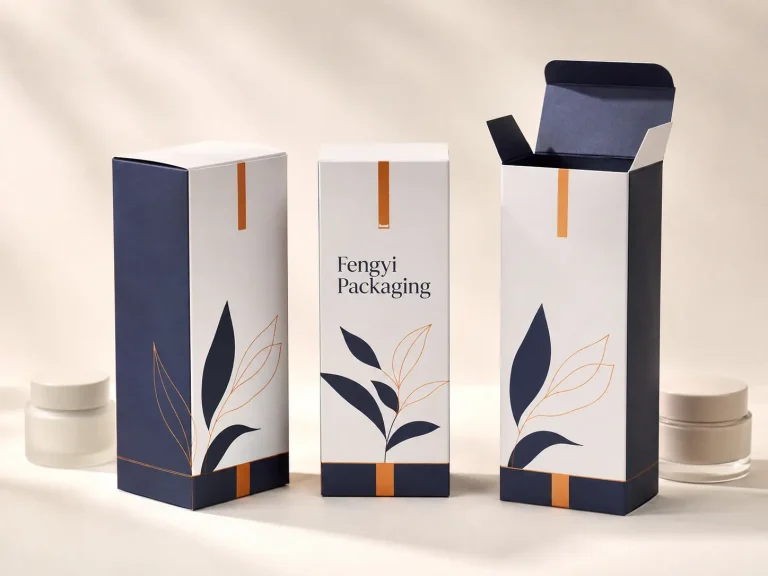
Custom cosmetic folding cartons for beauty, skincare and personal care product presentation.
Folding Cartons
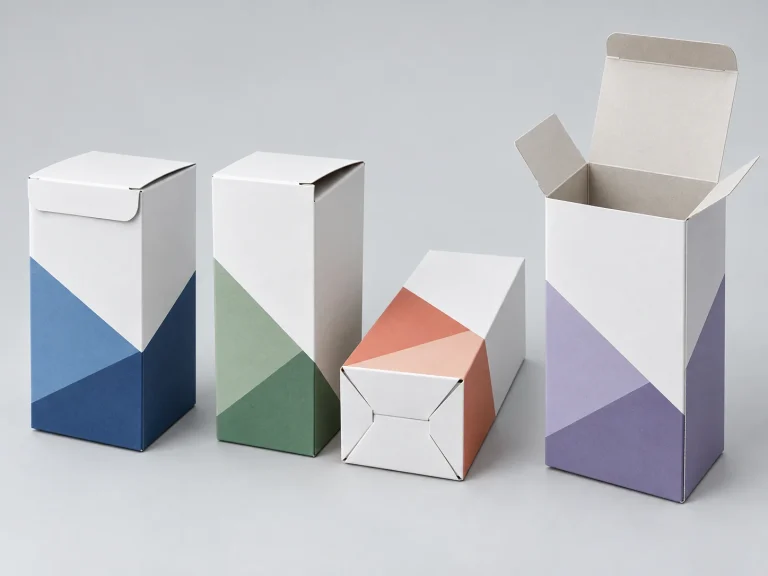
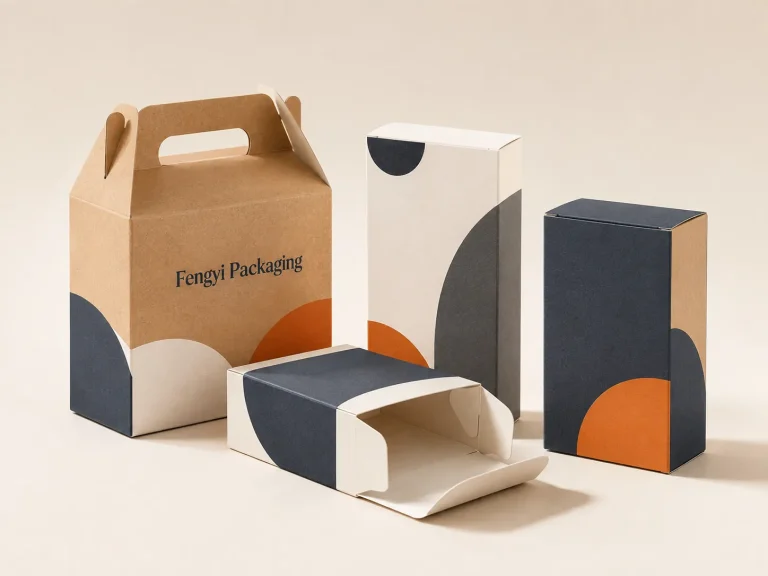
Custom folding cartons for retail presentation, product protection and paper-based packaging.
Folding Cartons
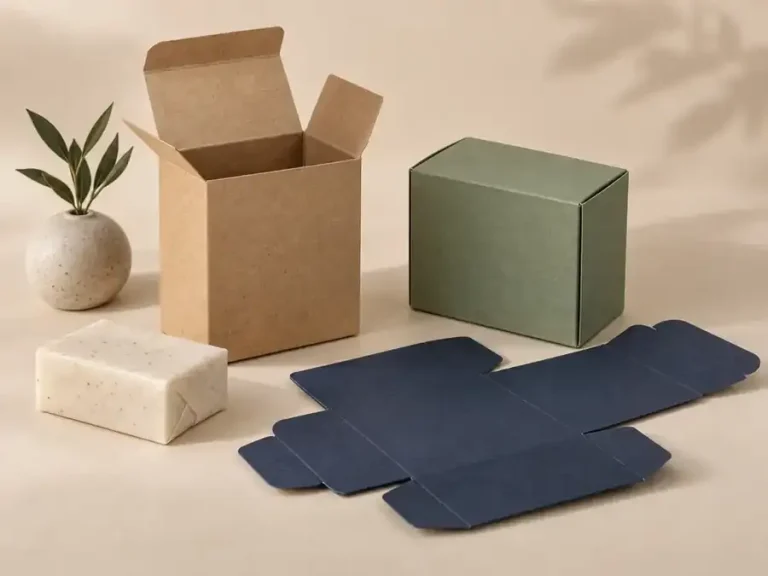
Custom food packaging cartons developed around product structure, artwork and packing requirements.
Folding Cartons
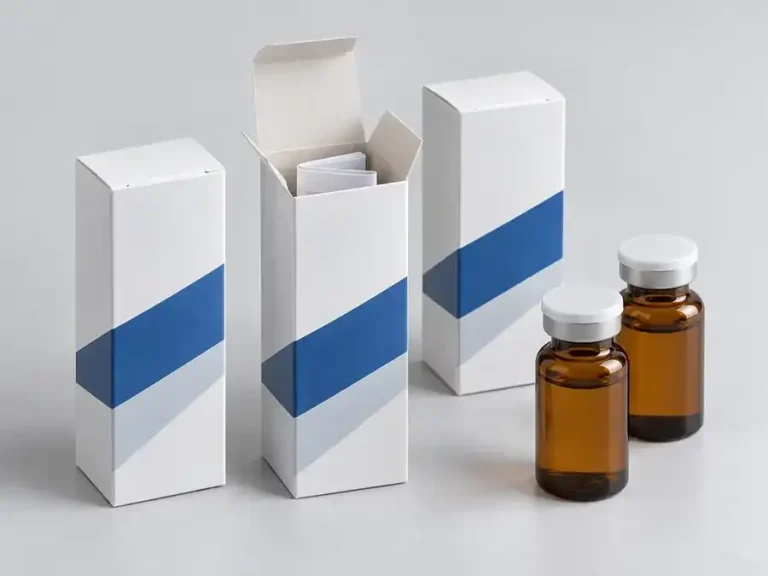
Custom paperboard product boxes for B2B projects. Discuss artwork, size, materials, printing, finishing and packing with Fengyi Packaging.
Folding Cartons
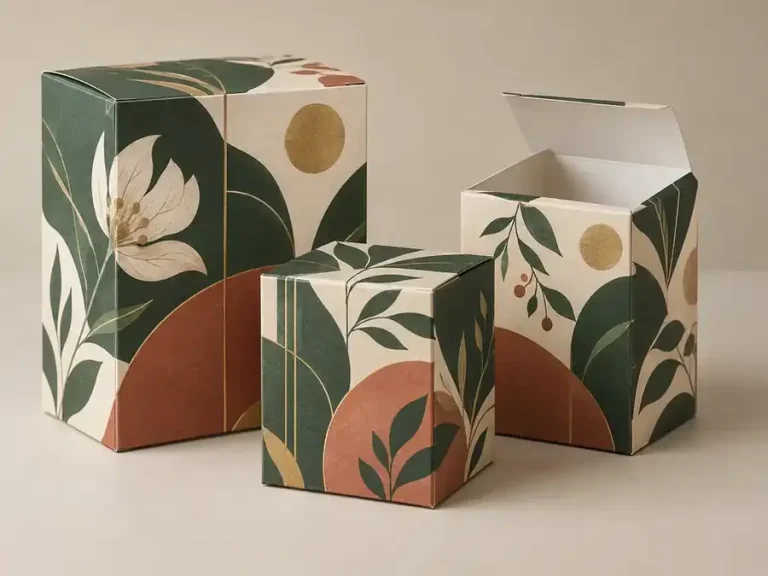
Custom pharmaceutical-style cartons for B2B projects. Discuss artwork, size, materials, printing, finishing and packing with Fengyi Packaging.
Folding Cartons
Custom printed paperboard cartons for B2B projects. Discuss artwork, size, materials, printing, finishing and packing with Fengyi Packaging.
Folding Cartons
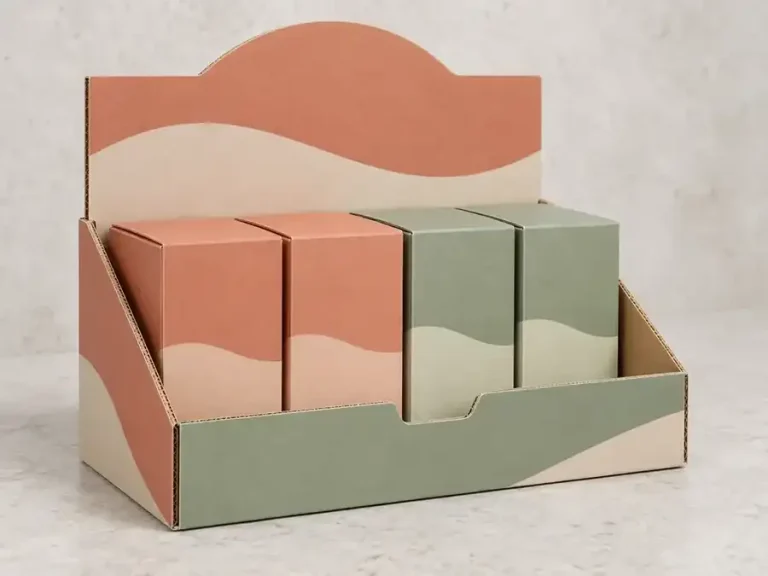
Custom product display cartons developed around retail visibility, product fit and shelf presentation.
Folding Cartons
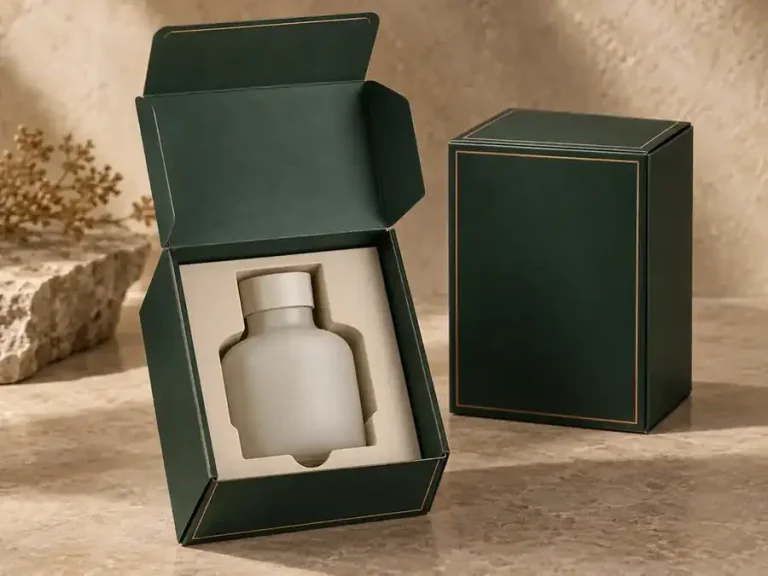
Custom product presentation cartons for B2B projects. Discuss artwork, size, materials, printing, finishing and packing with Fengyi Packaging.

Folding Cartons
Custom retail cartons for B2B projects. Discuss artwork, size, materials, printing, finishing and packing with Fengyi Packaging.
Folding Cartons
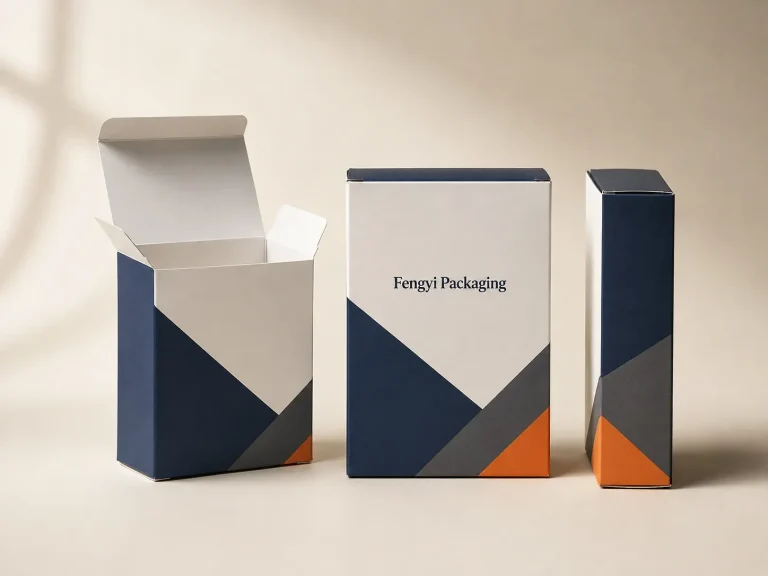
Custom retail folding cartons developed around product presentation, protection and shelf requirements.
Folding Cartons
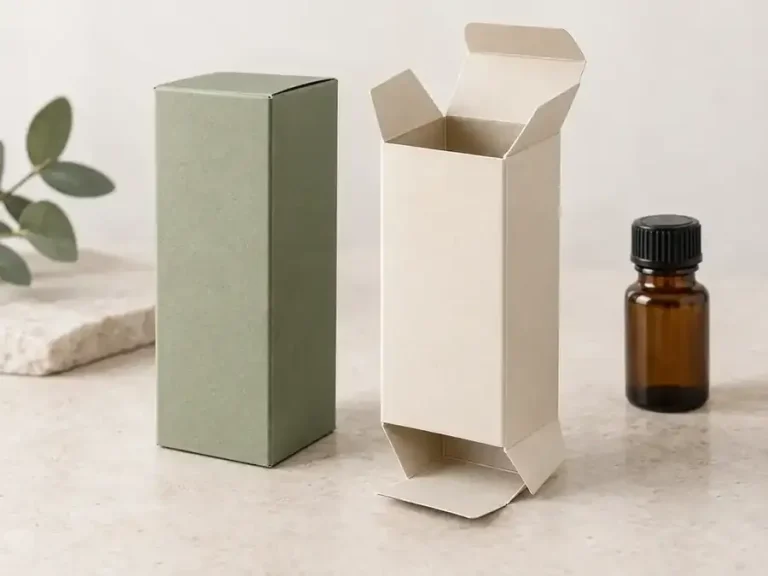
Custom reverse tuck-end cartons developed around product dimensions, packing and printed presentation.
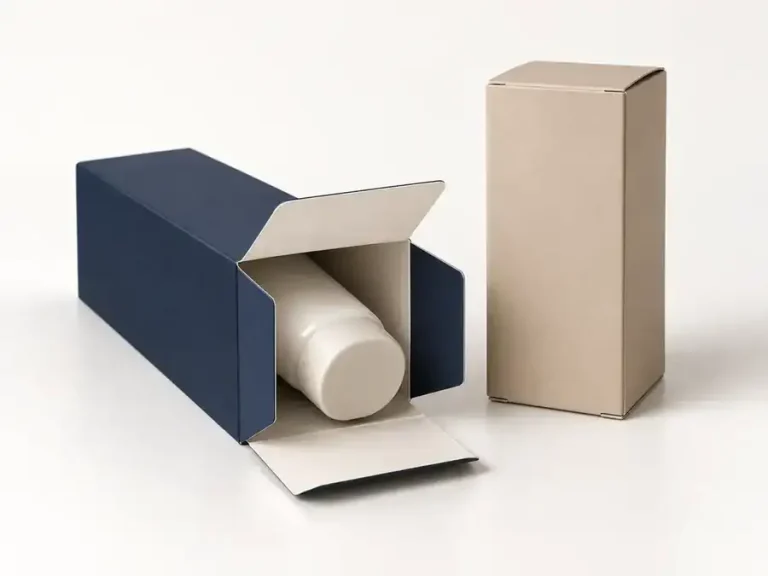
Folding Cartons
Custom straight tuck-end cartons for compact products, efficient packing and branded retail display.
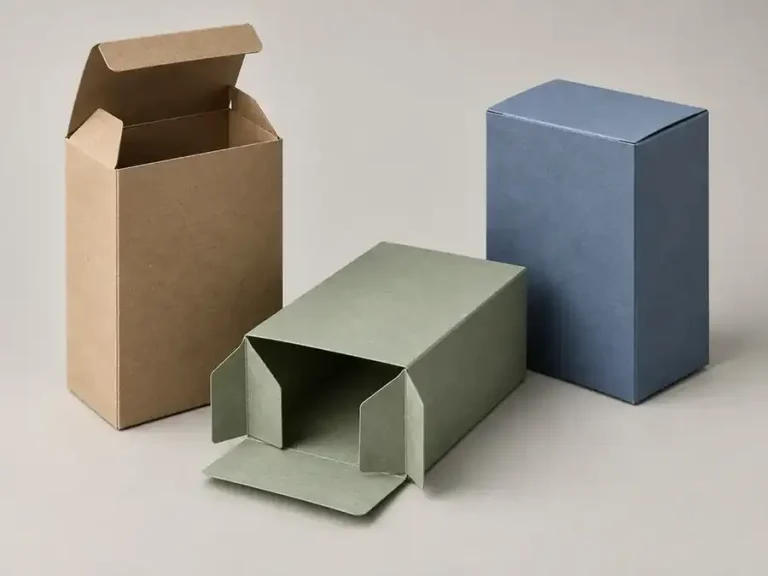
Folding Cartons
Custom tuck-end cartons for compact retail products, printed presentation and practical packing.
Buyer guide
A successful folding carton coordinates the packed product, paperboard grade, closure and base style, packing direction, print layout and finishing. Start with the actual product and packing process so the dieline protects the contents, runs efficiently and presents the brand clearly on shelf.
A representative product and physical carton sample help confirm dimensions, closure engagement, base strength, insert fit, print position and packing efficiency before mass production.
Request a folding carton quotationAuto-bottom cartons open quickly and lock into an assembled base, which can support faster hand packing and suitable loads. Tuck-end cartons arrive flat, offer broad flexibility and can be practical for lighter products. Product weight, carton proportions, packing speed, opening sequence and delivery route should be compared before selecting the structure.
Straight tuck end cartons place the top and bottom tuck flaps on the same panel, while reverse tuck end cartons place them on opposite panels. The decision affects nesting on the printed sheet, closure direction, front-panel appearance and packing access, so artwork and packing-line orientation should be reviewed with the dieline.
Provide the actual product dimensions, packed weight, orientation, required clearance and any insert. Finished internal dimensions and board grade should be developed together because carton size, load, print coverage, humidity exposure, stacking and distribution conditions all influence stiffness and performance.
A physical structural sample is recommended for confirming product fit, tuck engagement, base performance, insert retention, artwork position and hand or machine packing. Production artwork and finishing should be approved only after the dieline and packed sample have been checked.