Packaging Inserts & Dividers
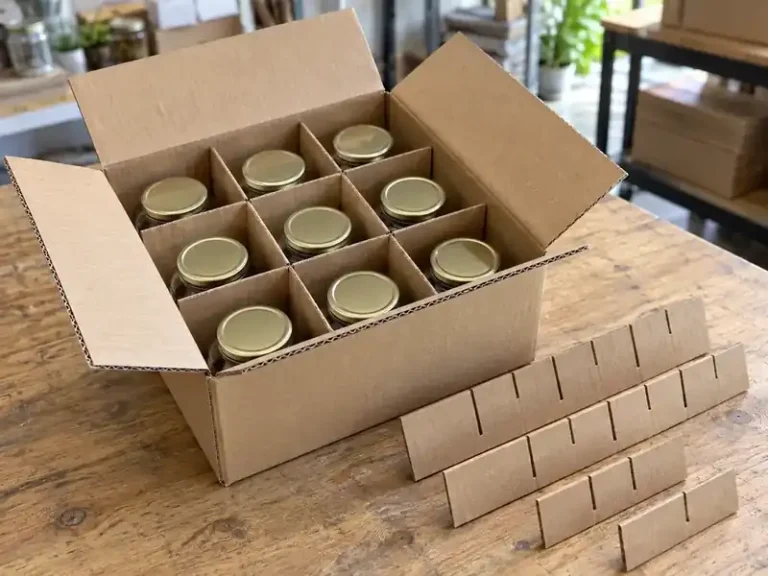
Custom Box Dividers
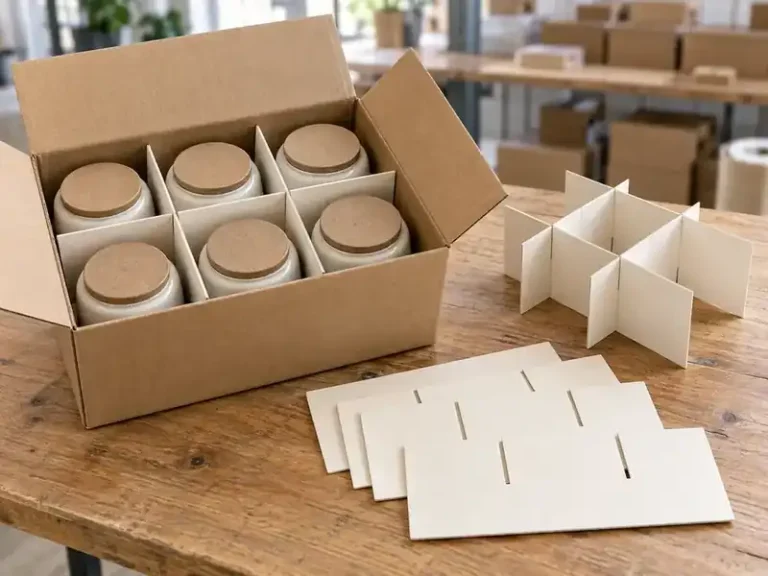
Custom box dividers for B2B projects. Discuss artwork, size, materials, printing, finishing and packing with Fengyi Packaging.
Product Category
Paperboard inserts and dividers designed around product protection and presentation.
Packaging Inserts & Dividers
Custom box dividers for B2B projects. Discuss artwork, size, materials, printing, finishing and packing with Fengyi Packaging.

Packaging Inserts & Dividers
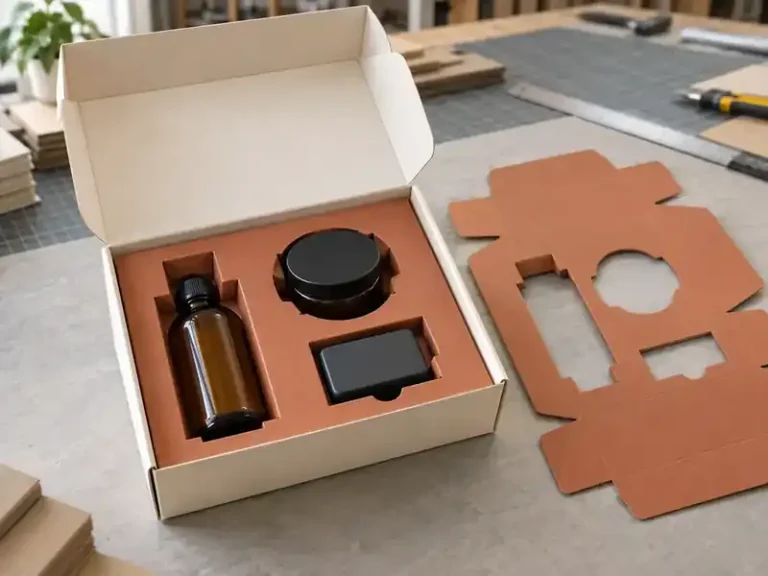
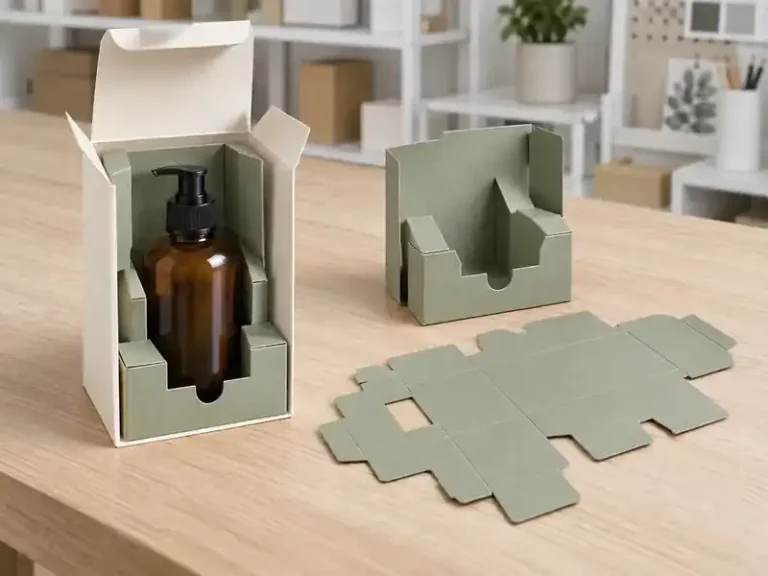
Custom cosmetic box inserts for B2B projects. Discuss artwork, size, materials, printing, finishing and packing with Fengyi Packaging.
Packaging Inserts & Dividers
Custom die-cut paperboard inserts developed around product shape, protection and box presentation.
Packaging Inserts & Dividers
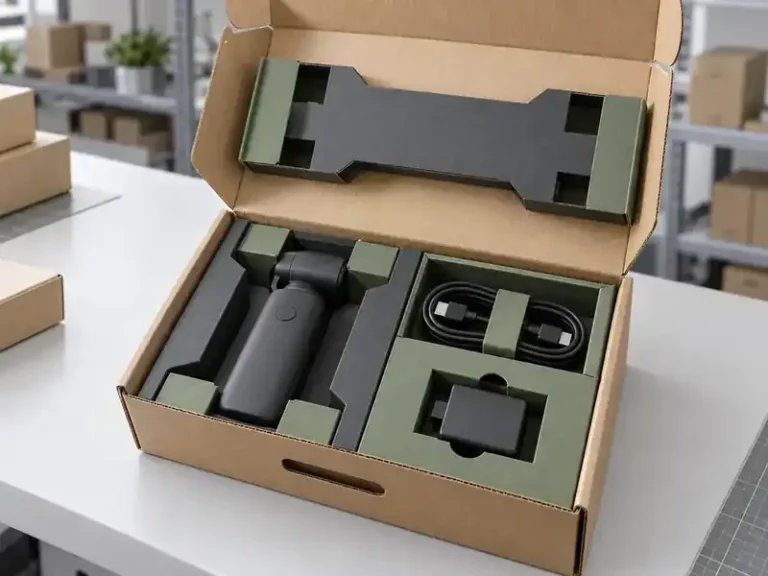
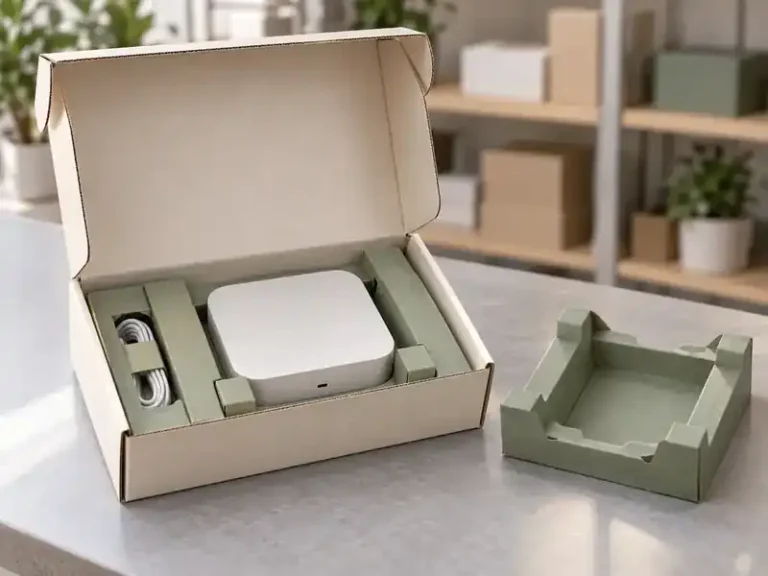
Custom electronics packaging inserts for B2B projects. Discuss artwork, size, materials, printing, finishing and packing with Fengyi Packaging.

Packaging Inserts & Dividers
Custom gift box inserts for organised product placement, presentation and component separation.

Packaging Inserts & Dividers
Custom inner packaging for B2B projects. Discuss artwork, size, materials, printing, finishing and packing with Fengyi Packaging.
Packaging Inserts & Dividers
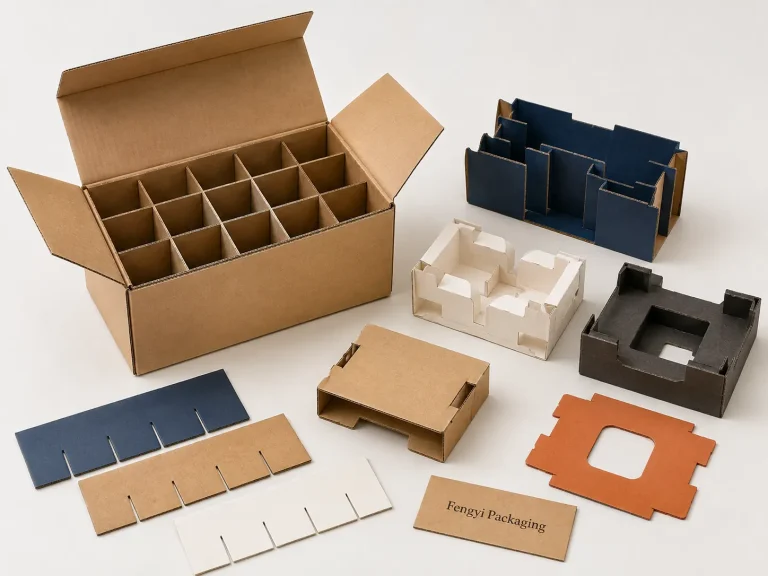
Custom packaging inserts and dividers for product protection, presentation and organisation.
Packaging Inserts & Dividers
Custom packaging support inserts for B2B projects. Discuss artwork, size, materials, printing, finishing and packing with Fengyi Packaging.
Packaging Inserts & Dividers
Custom paper product separators for B2B projects. Discuss artwork, size, materials, printing, finishing and packing with Fengyi Packaging.
Packaging Inserts & Dividers
Custom paperboard product inserts for B2B projects. Discuss artwork, size, materials, printing, finishing and packing with Fengyi Packaging.

Packaging Inserts & Dividers
Custom product positioning dividers for B2B projects. Discuss artwork, size, materials, printing, finishing and packing with Fengyi Packaging.
Packaging Inserts & Dividers
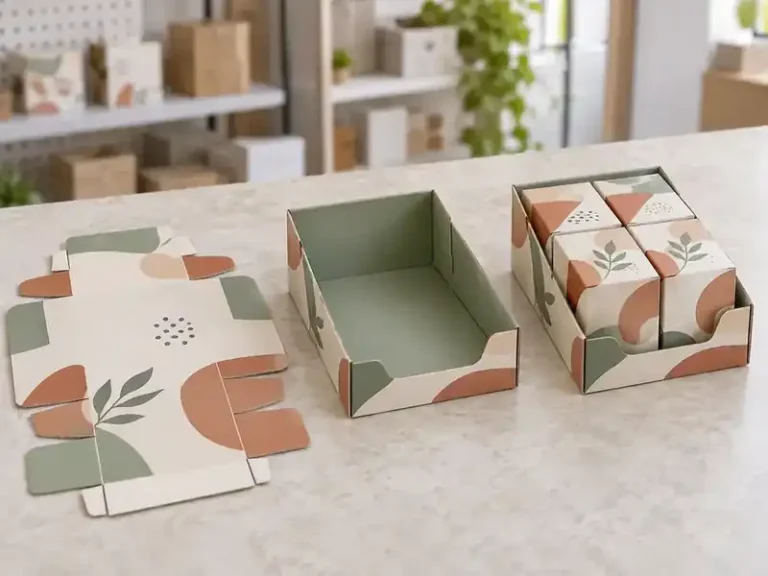
Custom retail product trays for B2B projects. Discuss artwork, size, materials, printing, finishing and packing with Fengyi Packaging.
Packaging insert buyer guide
An effective insert positions every component, protects sensitive areas and supports a clear opening experience without making packing unnecessarily difficult. Begin with real products or accurate models, the outer-box internal size, product orientation, support points, finger access and the expected distribution route before selecting paperboard, corrugated dividers, folds and locking features.
Evaluate the production-equivalent insert inside the final box with every product and accessory loaded. Check assembly time, product fit, finger access, lid closure and movement, then use representative handling or transport tests where product value, weight or fragility creates risk.
Request an insert and divider quotationFolded paperboard inserts suit lighter retail products and detailed presentation, while corrugated cradles and interlocking dividers provide greater depth and support for heavier products or distribution. The best structure depends on product weight, fragility, box dimensions, opening sequence, packing labour and recovery or recycling goals.
Provide physical samples or accurate dimensions for every product and accessory, including weight, orientation, sensitive surfaces, support points and required finger access. Also share the outer-box internal dimensions, packing sequence, quantity, delivery route and any drop or vibration requirements.
Clearance must account for product and board tolerances, surface protection, loading direction and the way the insert locks into the outer box. The product should be retained without excessive pressure or movement, so final fit should be confirmed using real production-equivalent samples rather than nominal dimensions alone.
Yes. The assembled insert, every packed component and the final outer box should be tested as one system. A complete sample can reveal difficult packing, product movement, weak support areas, lid interference or damage from representative handling before tooling and mass production are approved.