
Perfect-Bound Booklets
Custom Branded Lookbooks
Custom branded lookbooks for B2B projects. Discuss artwork, size, materials, printing, finishing and packing with Fengyi Packaging.
Product Category
Perfect-bound booklets for higher-page-count publications and branded print projects.
Perfect-Bound Booklets
Custom branded lookbooks for B2B projects. Discuss artwork, size, materials, printing, finishing and packing with Fengyi Packaging.
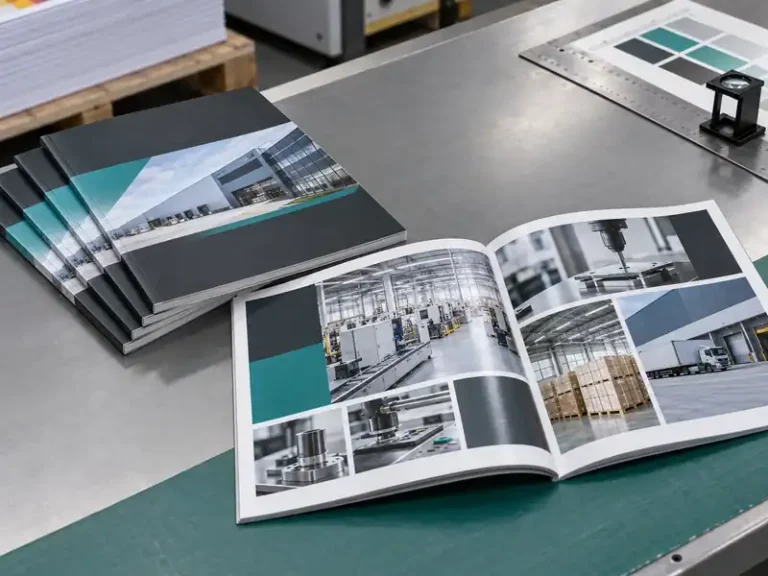
Perfect-Bound Booklets
Custom commercial perfect-bound books for B2B projects. Discuss artwork, size, materials, printing, finishing and packing with Fengyi Packaging.
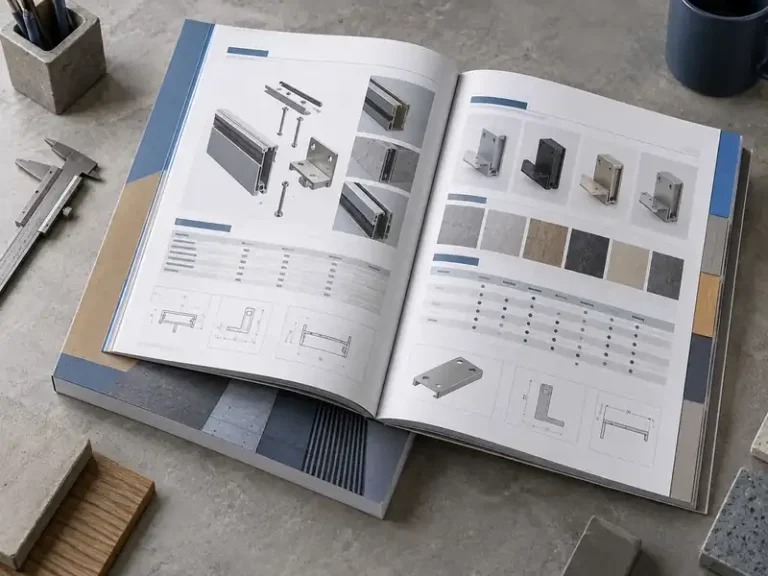
Perfect-Bound Booklets
Custom extended product guides for B2B projects. Discuss artwork, size, materials, printing, finishing and packing with Fengyi Packaging.

Perfect-Bound Booklets
Custom glued-spine booklets for B2B projects. Discuss artwork, size, materials, printing, finishing and packing with Fengyi Packaging.

Perfect-Bound Booklets
Custom multi-page brand books for B2B projects. Discuss artwork, size, materials, printing, finishing and packing with Fengyi Packaging.

Perfect-Bound Booklets
Perfect-bound booklets for extended manuals, catalogs, lookbooks and branded publications.
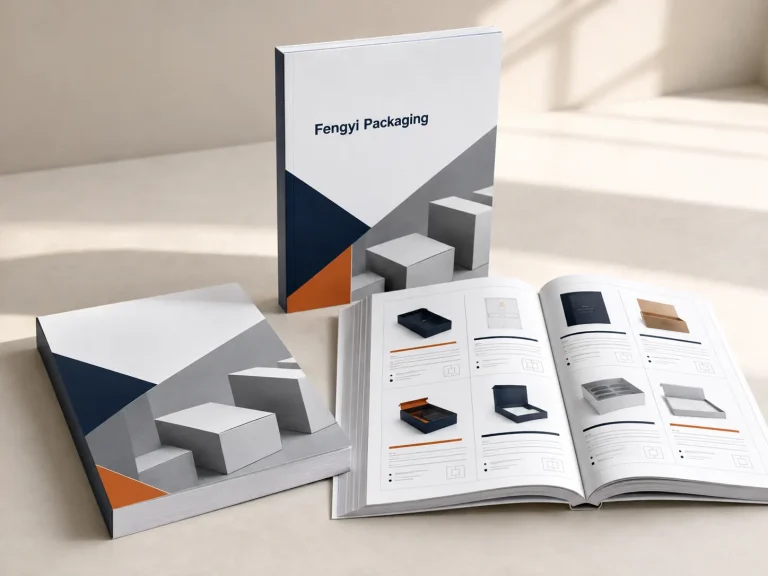
Perfect-Bound Booklets
Perfect-bound catalogs for larger product ranges, lookbooks and commercial print projects.
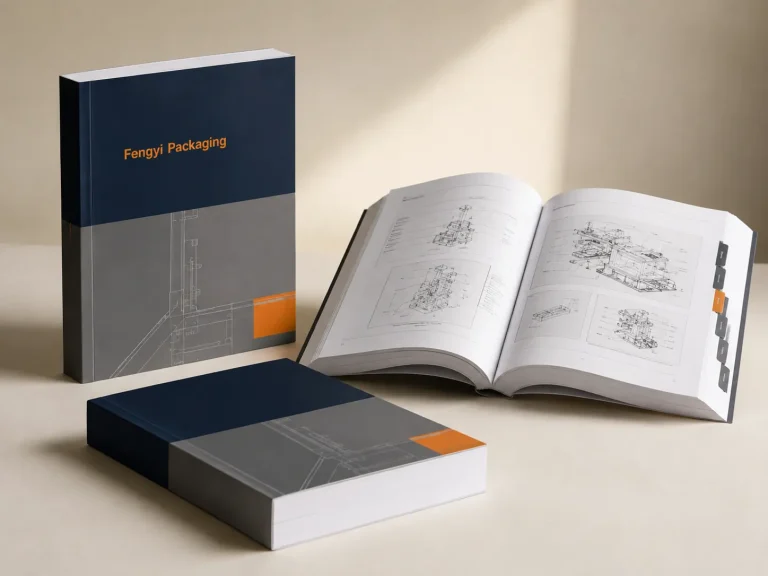
Perfect-Bound Booklets
Perfect-bound manuals for detailed product instructions and reference information.

Perfect-Bound Booklets
Custom perfect-bound product catalogs for B2B projects. Discuss artwork, size, materials, printing, finishing and packing with Fengyi Packaging.

Perfect-Bound Booklets
Custom perfect-bound publications for B2B projects. Discuss artwork, size, materials, printing, finishing and packing with Fengyi Packaging.

Perfect-Bound Booklets
Custom product reference booklets for B2B projects. Discuss artwork, size, materials, printing, finishing and packing with Fengyi Packaging.

Perfect-Bound Booklets
Custom sales presentation booklets for B2B projects. Discuss artwork, size, materials, printing, finishing and packing with Fengyi Packaging.
Perfect-bound booklet buyer guide
Perfect binding gives catalogs, manuals, lookbooks and commercial publications a clean printable spine. Start with the final size, page count, paper stocks, quantity, artwork status, expected use and distribution method. These inputs determine spine width, adhesive choice, cover hinge, grain direction, opening behaviour, finishing and packing.
Review the finished booklet at actual size. Check pagination, trim, colour, opacity, spine width, hinge position, adhesive strength, cover finish and opening behaviour. Confirm every edition before mass production and test the packed weight when mailing or distribution cost matters.
Request a perfect-bound quotationProvide the finished size, page count, quantity, text and cover paper, print colours, artwork status, cover finish, packing method, destination and target date. The final page count and paper thickness are needed to calculate a printable square spine and confirm that the booklet can be bound reliably.
The practical minimum depends on paper thickness because the gathered pages must create enough spine width for adhesive binding. Larger page counts are well suited to catalogs, manuals, reports and lookbooks. Share the final paper choice and page count so spine width, opening behaviour and production tolerances can be checked together.
A heavier cover improves protection and creates a clear hinge, while the text paper controls opacity, image reproduction, bulk and page-turning feel. Coated stocks suit detailed product photography; uncoated stocks provide a softer editorial character. Lamination or varnish can protect the cover, but the hinge and spine areas should remain flexible enough for repeated opening.
Approve a complete bound sample at final size. Check page sequence, trim, bleed, image quality, crossovers, paper opacity, spine copy, cover hinge, adhesive strength and opening behaviour. Confirm every language or edition separately and test the packed booklet with the intended product or distribution carton when fit or mailing weight matters.