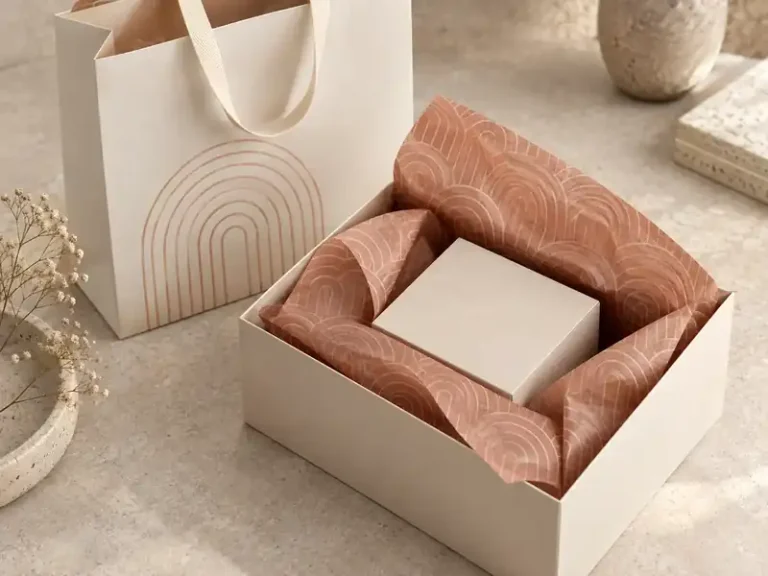
Printed Tissue Paper
Custom Branded Retail Tissue
Custom branded retail tissue for B2B projects. Discuss artwork, size, materials, printing, finishing and packing with Fengyi Packaging.
Product Category
Custom printed tissue paper for wrapping, unboxing and retail presentation.
Printed Tissue Paper
Custom branded retail tissue for B2B projects. Discuss artwork, size, materials, printing, finishing and packing with Fengyi Packaging.
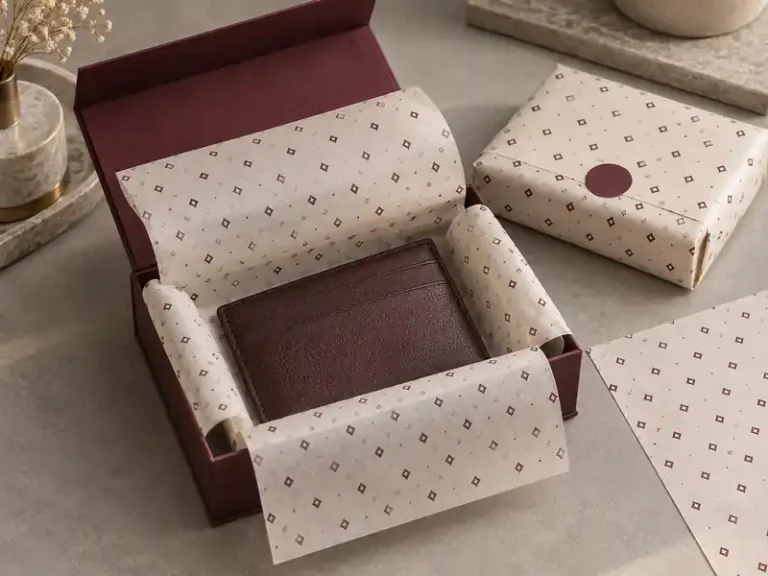
Printed Tissue Paper
Custom wrapping tissue for branded retail packing, gifting and e-commerce presentation.

Printed Tissue Paper
Custom cosmetic packaging tissue for B2B projects. Discuss artwork, size, materials, printing, finishing and packing with Fengyi Packaging.
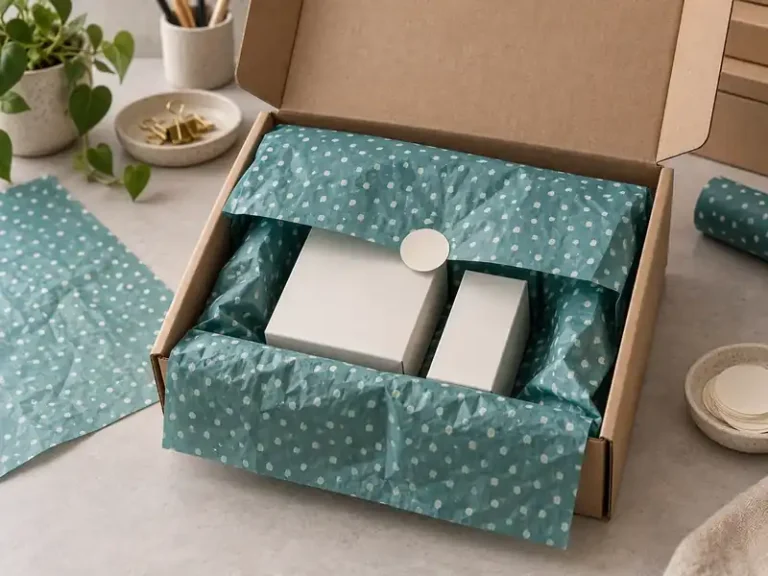
Printed Tissue Paper
Custom tissue paper for e-commerce unboxing, product wrapping and coordinated mailer-box presentation.
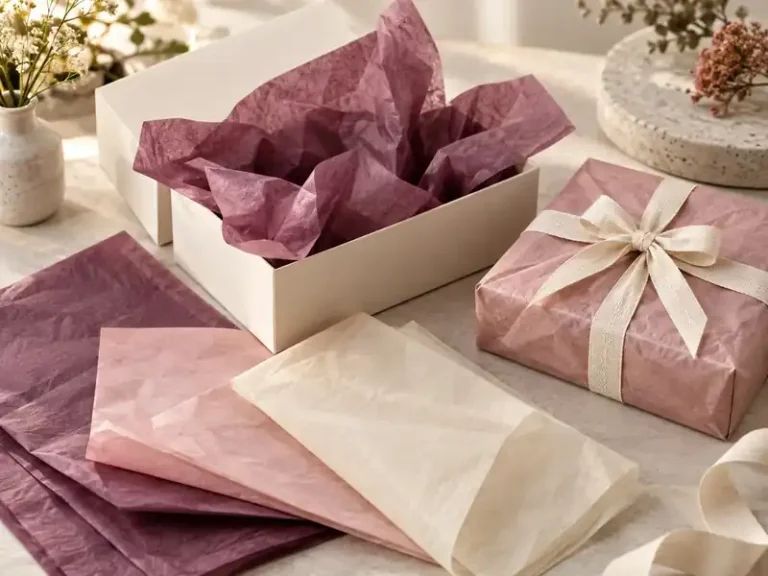
Printed Tissue Paper
Custom gift wrap tissue paper for B2B projects. Discuss artwork, size, materials, printing, finishing and packing with Fengyi Packaging.
Printed Tissue Paper
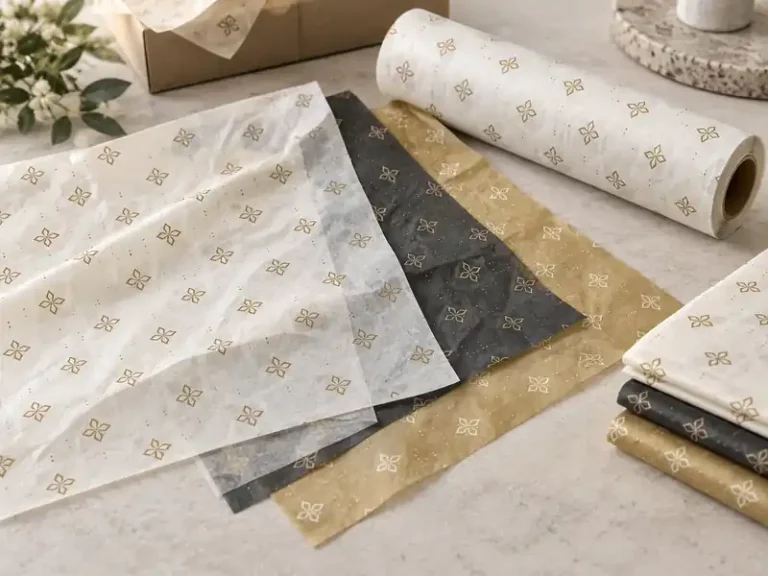
Custom logo tissue paper for B2B projects. Discuss artwork, size, materials, printing, finishing and packing with Fengyi Packaging.
Printed Tissue Paper
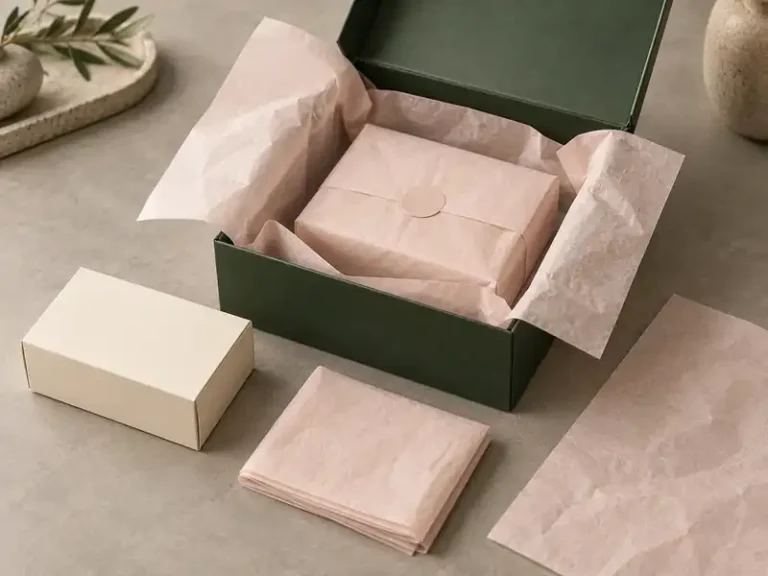
Custom paper box wrapping tissue for B2B projects. Discuss artwork, size, materials, printing, finishing and packing with Fengyi Packaging.
Printed Tissue Paper
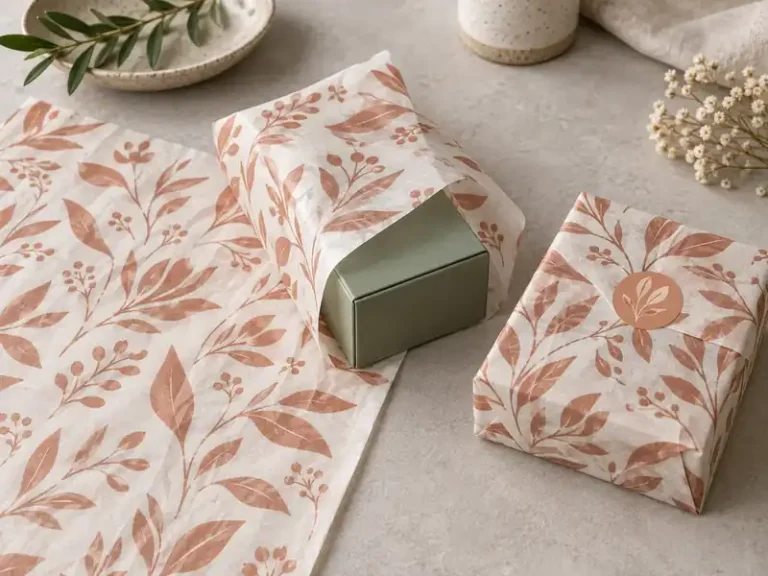
Custom printed product wrap for B2B projects. Discuss artwork, size, materials, printing, finishing and packing with Fengyi Packaging.
Printed Tissue Paper
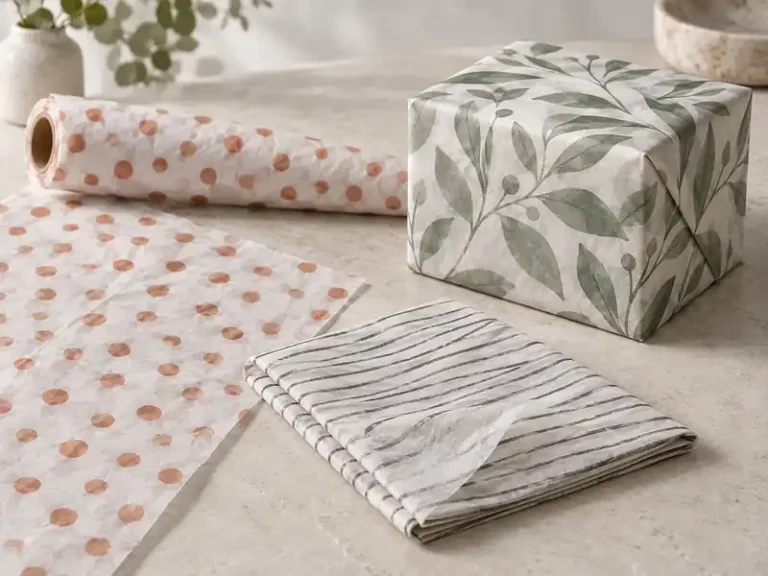
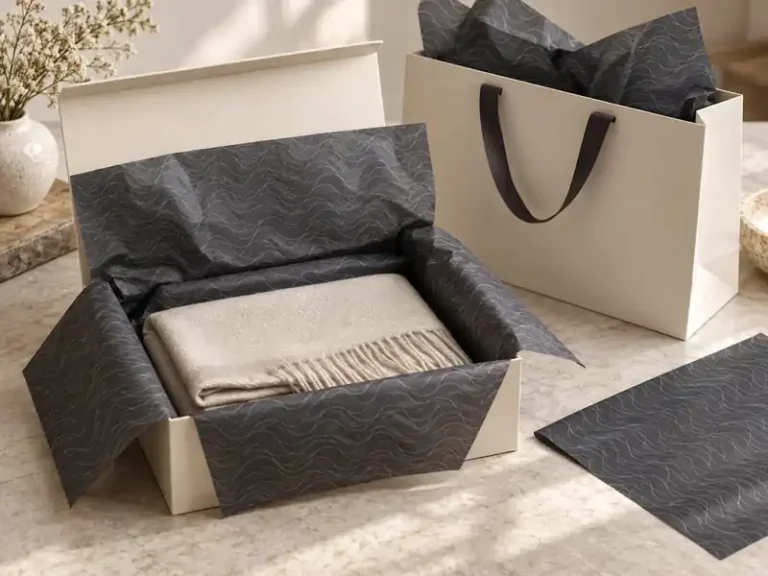
Custom printed tissue paper for wrapping, presentation and branded unboxing applications.
Printed Tissue Paper
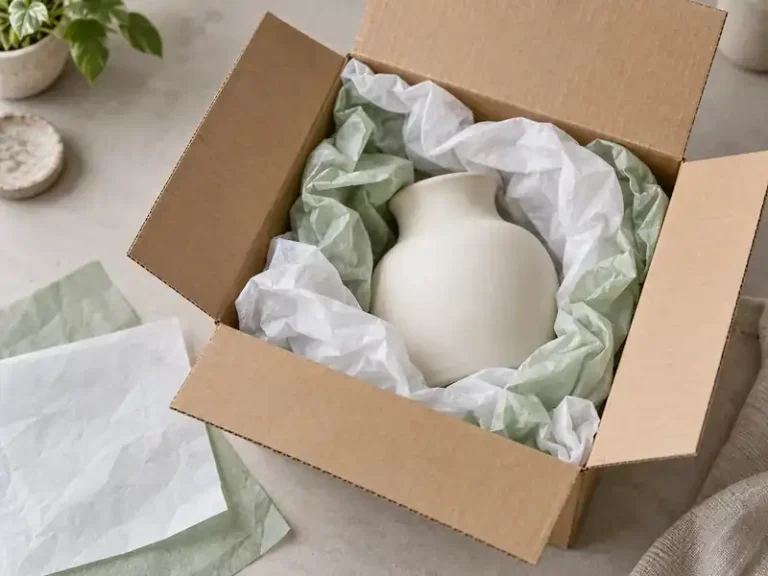
Custom tissue paper for retail wrapping, box presentation and coordinated branded packaging.
Printed Tissue Paper
Custom soft packing tissue for B2B projects. Discuss artwork, size, materials, printing, finishing and packing with Fengyi Packaging.
Printed Tissue Paper
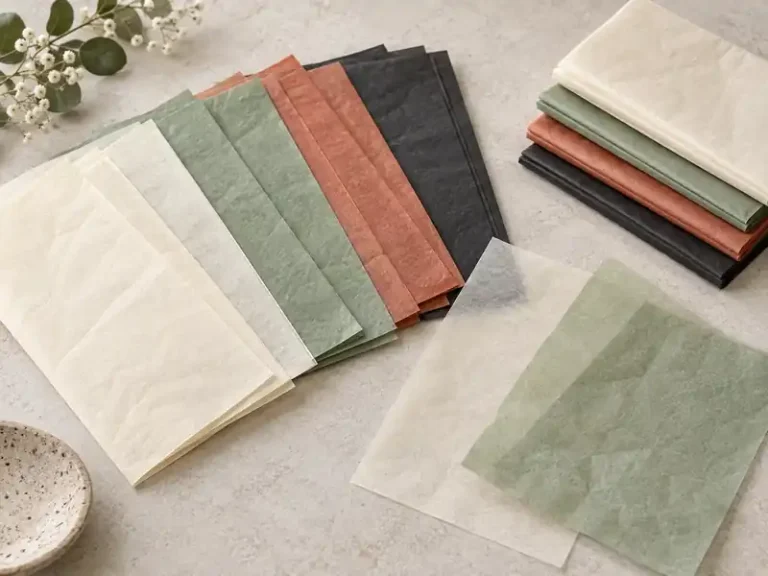
Custom tissue paper sheets for B2B projects. Discuss artwork, size, materials, printing, finishing and packing with Fengyi Packaging.
Printed tissue paper buyer guide
Custom tissue paper adds colour, protection and a coordinated reveal inside retail bags, gift boxes and e-commerce mailers. A reliable specification begins with the product and box dimensions, the way each sheet will be folded or gathered, the desired opacity and softness, and the part of the repeat that should remain visible after packing.
Review the proof or representative sample inside the final pack. Check colour on the selected tissue, pattern visibility through overlaps, ink show-through, rubbing or transfer risk, tear behaviour and the time required to create the intended fold before approving mass production.
Request a printed tissue quotationConfirm the flat sheet size, tissue weight, base paper colour, print colour and coverage, repeat direction, quantity and packing format. Also describe how the sheet will wrap, line or cushion the product, because the product size, box dimensions and folding method affect both the most useful sheet size and the visible print area.
Large repeats can create a bold unboxing effect, while smaller repeats keep branding visible after the sheet is folded. Heavy ink coverage may change softness, opacity, drying and show-through, so artwork should be reviewed against the tissue weight, colour and printing process rather than treated like ordinary coated paper.
The intended contact condition must be stated before materials and inks are selected. Direct contact, indirect contact and decorative outer wrapping can have different requirements. Product type, destination market and any compliance documentation should be confirmed instead of assuming that a general retail tissue specification is suitable for every application.
A proof can confirm repeat, placement and colour direction, while a production-equivalent sample is useful when paper feel, translucency, ink coverage or wrapping performance is important. Test the sheet with the actual product and box so folds, pattern visibility, colour transfer risk and pack-out speed can be reviewed before the order is approved.