Retail Display Packaging
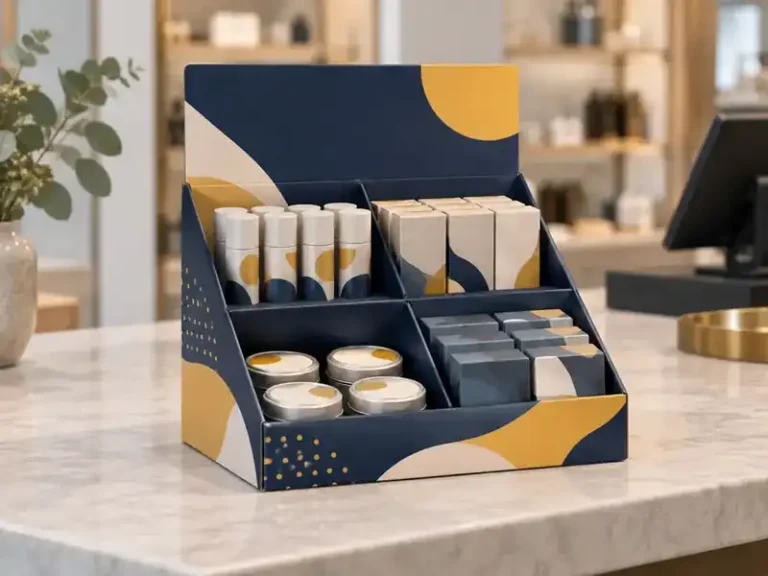
Custom Branded Counter Units
Custom branded counter units for B2B projects. Discuss artwork, size, materials, printing, finishing and packing with Fengyi Packaging.
Product Category
Paper-based display packaging developed for retail presentation and product communication.
Retail Display Packaging
Custom branded counter units for B2B projects. Discuss artwork, size, materials, printing, finishing and packing with Fengyi Packaging.
Retail Display Packaging
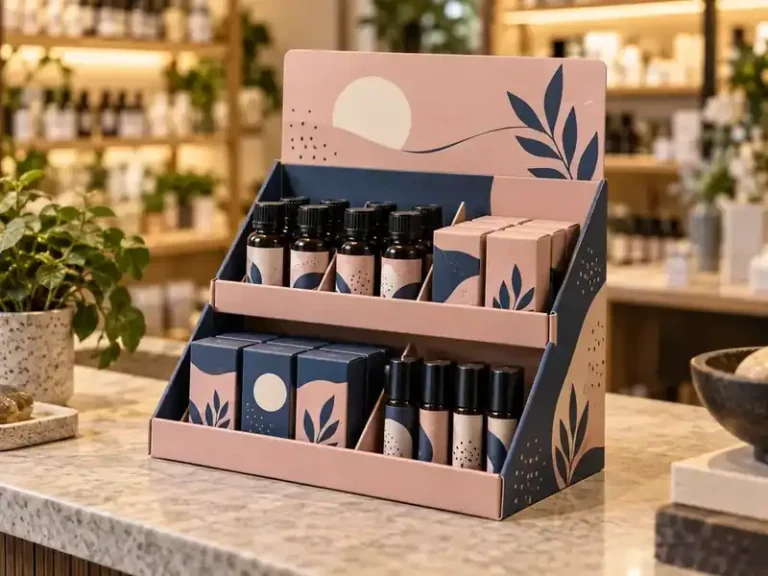
Custom counter display packaging for organised product presentation at retail and promotional points.
Retail Display Packaging
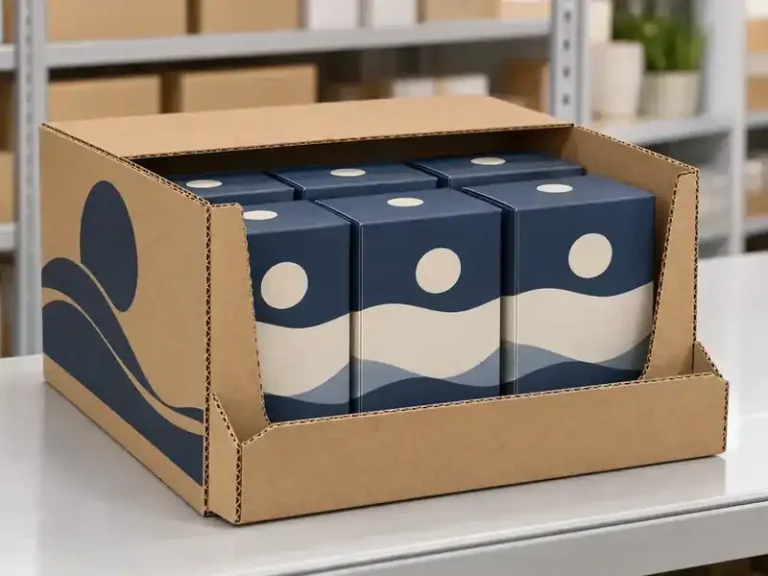
Custom display-ready product packaging for B2B projects. Discuss artwork, size, materials, printing, finishing and packing with Fengyi Packaging.
Retail Display Packaging
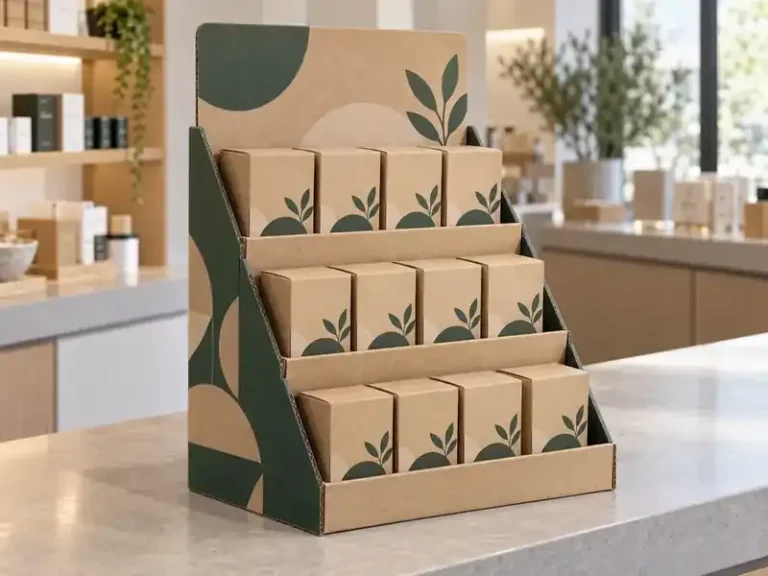
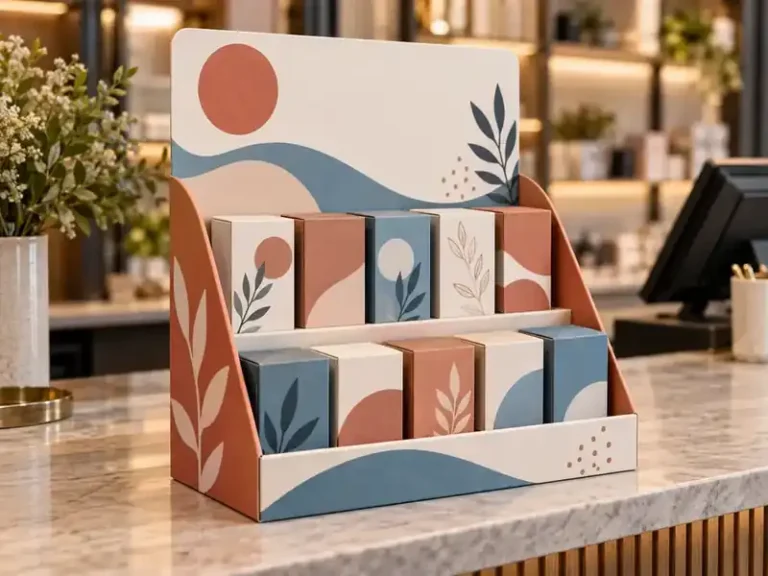
Custom paperboard retail displays for product launches, promotions and point-of-sale presentation.
Retail Display Packaging
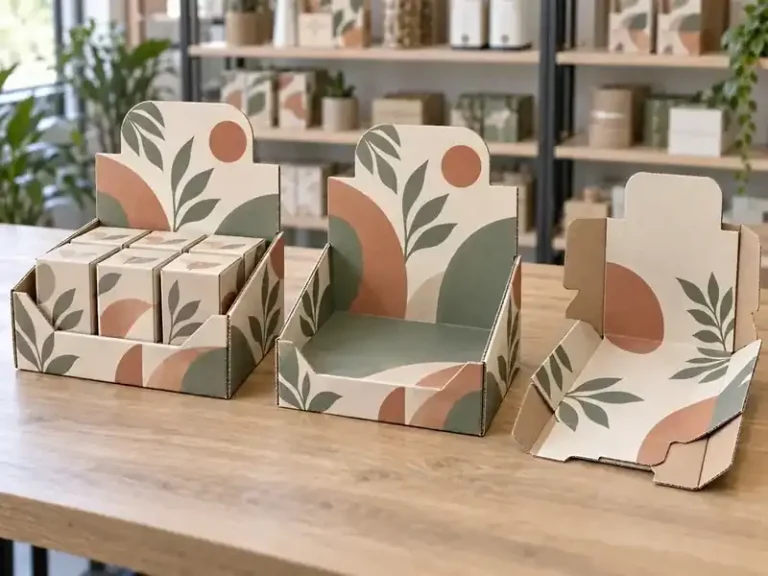
Custom paperboard point-of-sale displays for promotions, product launches and retail campaigns.
Retail Display Packaging
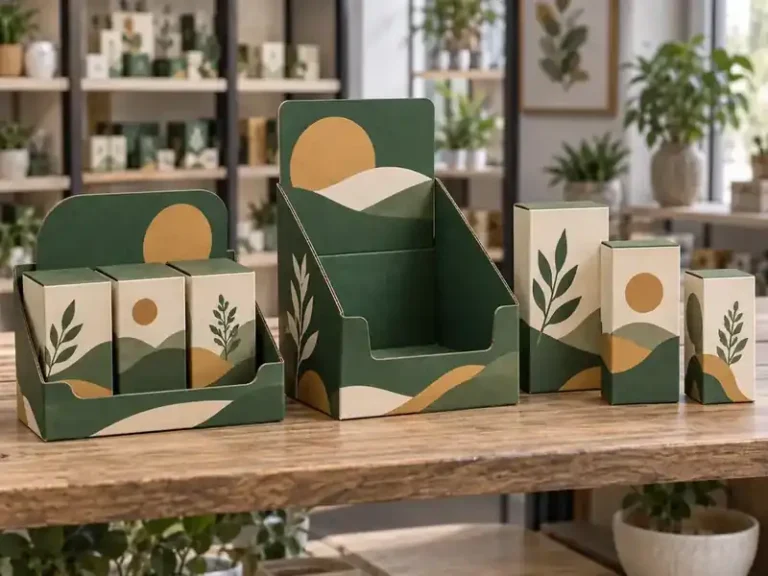
Custom printed display trays developed around product count, shelf presentation and replenishment needs.

Retail Display Packaging
Custom product launch display packaging for B2B projects. Discuss artwork, size, materials, printing, finishing and packing with Fengyi Packaging.
Retail Display Packaging
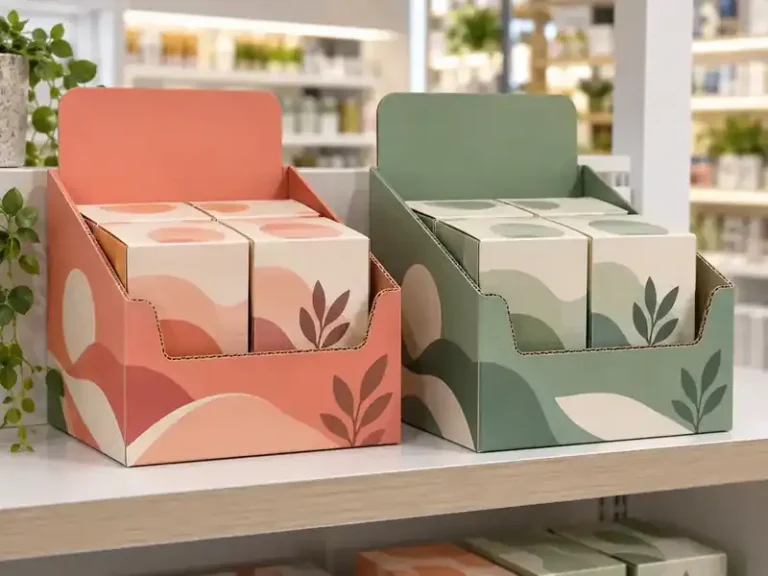
Custom retail display packaging for organised shelf, counter and point-of-sale presentation.
Retail Display Packaging
Custom retail product display boxes for B2B projects. Discuss artwork, size, materials, printing, finishing and packing with Fengyi Packaging.
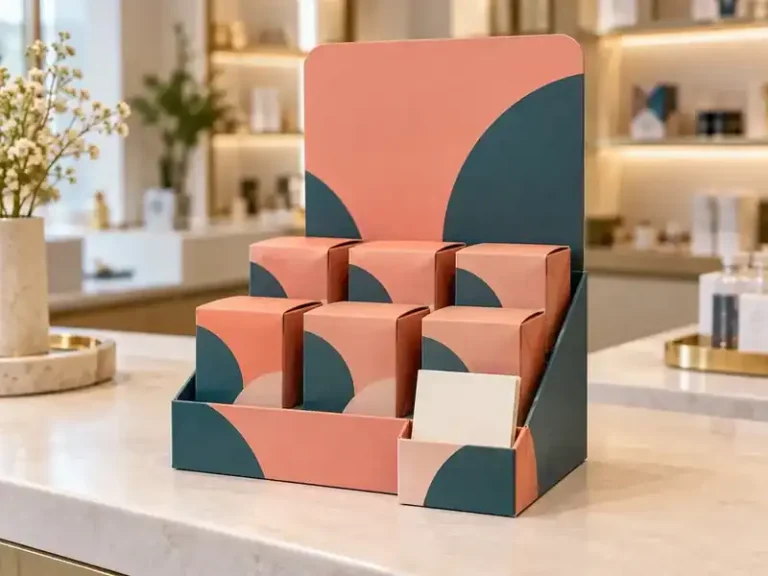
Retail Display Packaging
Custom retail promotion display packaging for B2B projects. Discuss artwork, size, materials, printing, finishing and packing with Fengyi Packaging.
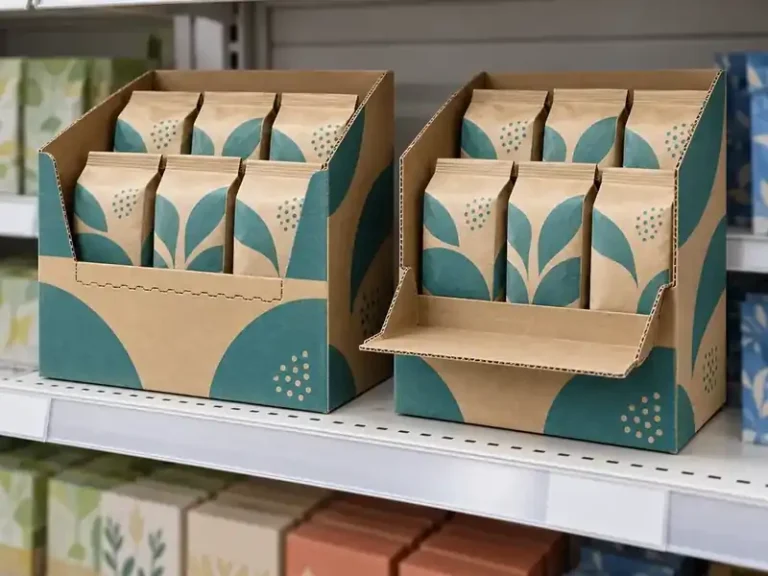
Retail Display Packaging
Custom shelf display cartons for B2B projects. Discuss artwork, size, materials, printing, finishing and packing with Fengyi Packaging.

Retail Display Packaging
Custom shelf presentation boxes for B2B projects. Discuss artwork, size, materials, printing, finishing and packing with Fengyi Packaging.
Retail display buyer guide
A retail display must present the product clearly while remaining stable, easy to assemble and practical to replenish. Start with the real shelf, counter or floor footprint, the packed product dimensions and weight, the number of facings and the store setup process before fixing board grade, tiers, header, dividers and print artwork.
A physical sample should be assembled and loaded with representative products to check stability, shelf visibility, access, replenishment, print alignment and the shipping pack. This step is especially important for tall structures, heavy products and time-sensitive retail launches.
Request a retail display quotationChoose around the selling location, available footprint, product weight, number of facings and replenishment method. Counter displays suit compact impulse or launch ranges, shelf-ready cases combine transport and presentation, and larger floor units support more stock but require greater structural strength and retailer approval.
Provide physical product samples or accurate packed dimensions and weights, the number of products and facings, shelf or counter limits, required header height, loading and replenishment method, quantity, artwork status, destination and any retailer guidelines. These inputs determine the footprint, tier spacing, dividers and retaining walls.
Board grade and flute are selected against the loaded weight, span, display height, handling and expected time in store. Locking tabs, folded supports, dividers and glued areas must work with the packing process, while assembly steps should remain clear enough for store or fulfilment teams to repeat reliably.
Yes. A fully loaded physical sample is recommended to confirm product fit, visibility, stability, assembly time, replenishment access, print position and transport packing. For important launches or heavier loads, review the complete setup under realistic shelf, counter and distribution conditions before production.