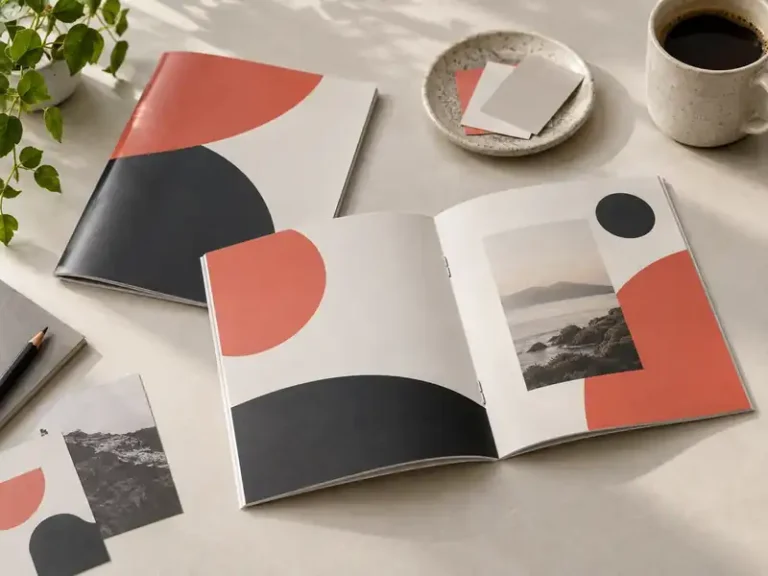
Saddle-Stitched Booklets
Custom Campaign Booklets
Custom campaign booklets for B2B projects. Discuss artwork, size, materials, printing, finishing and packing with Fengyi Packaging.
Product Category
Saddle-stitched booklets for guides, catalogs and marketing materials.
Saddle-Stitched Booklets
Custom campaign booklets for B2B projects. Discuss artwork, size, materials, printing, finishing and packing with Fengyi Packaging.
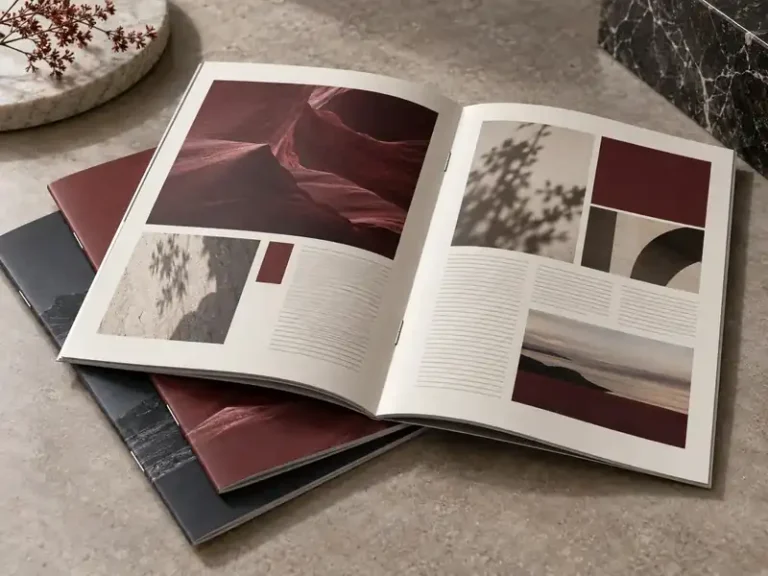
Saddle-Stitched Booklets
Custom commercial saddle-stitched books for B2B projects. Discuss artwork, size, materials, printing, finishing and packing with Fengyi Packaging.
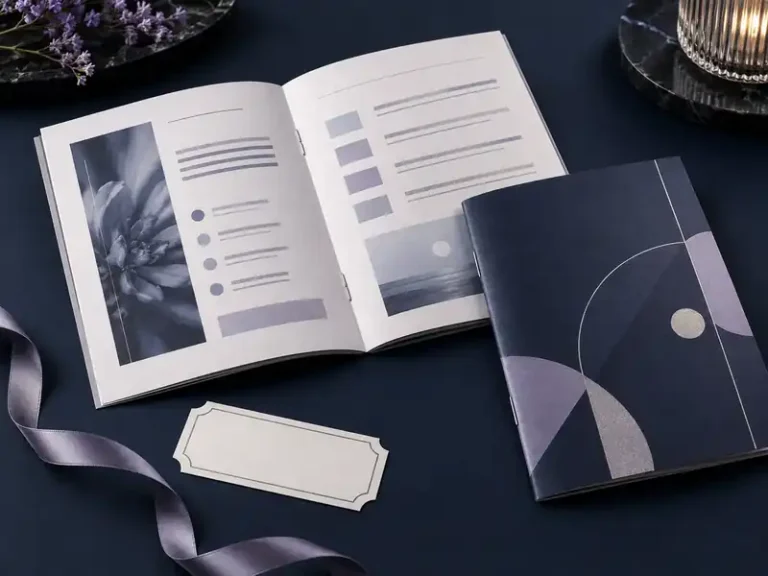
Saddle-Stitched Booklets
Custom event program booklets for B2B projects. Discuss artwork, size, materials, printing, finishing and packing with Fengyi Packaging.

Saddle-Stitched Booklets
Custom marketing stitch booklets for B2B projects. Discuss artwork, size, materials, printing, finishing and packing with Fengyi Packaging.
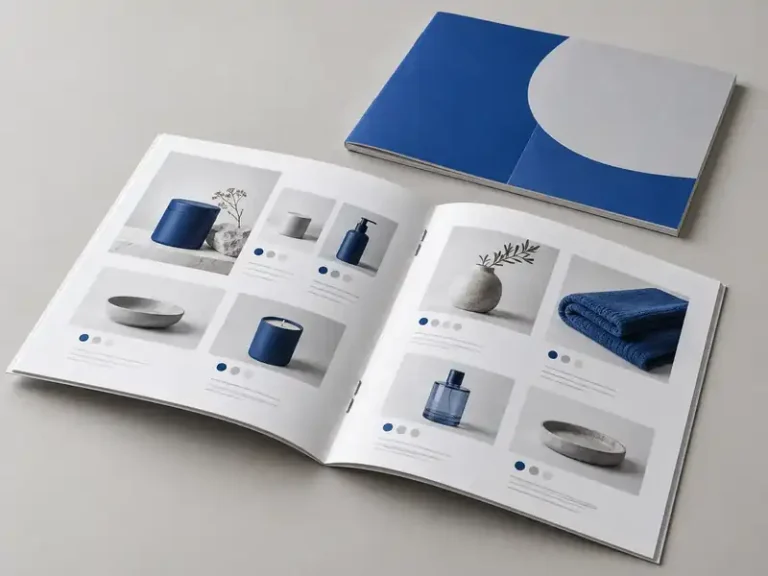
Saddle-Stitched Booklets
Custom multi-page product booklets for B2B projects. Discuss artwork, size, materials, printing, finishing and packing with Fengyi Packaging.

Saddle-Stitched Booklets
Custom printed brand booklets for B2B projects. Discuss artwork, size, materials, printing, finishing and packing with Fengyi Packaging.
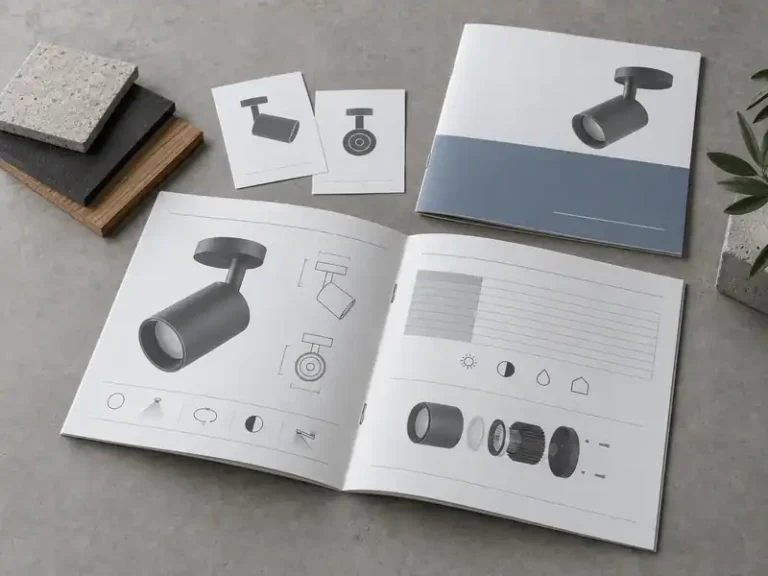
Saddle-Stitched Booklets
Custom product information booklets for B2B projects. Discuss artwork, size, materials, printing, finishing and packing with Fengyi Packaging.

Saddle-Stitched Booklets
Custom retail program booklets for B2B projects. Discuss artwork, size, materials, printing, finishing and packing with Fengyi Packaging.
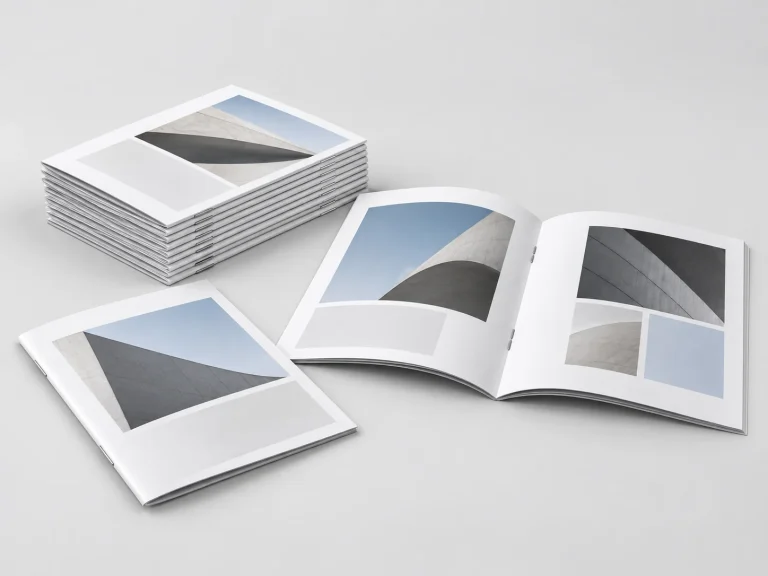
Saddle-Stitched Booklets
Saddle-stitched booklets for product guides, campaigns, catalogs and printed brand communication.
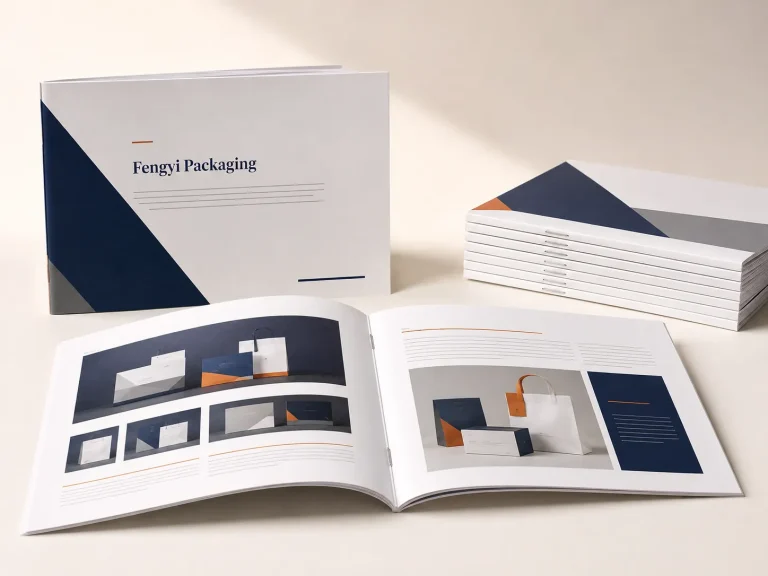
Saddle-Stitched Booklets
Saddle-stitched catalogs for compact product collections and promotional ranges.
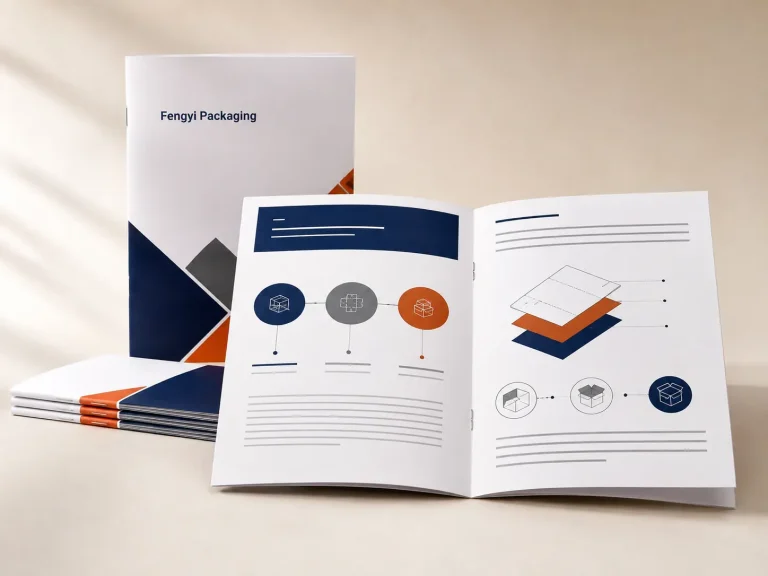
Saddle-Stitched Booklets
Saddle-stitched product guides for instructions, campaigns and product information.
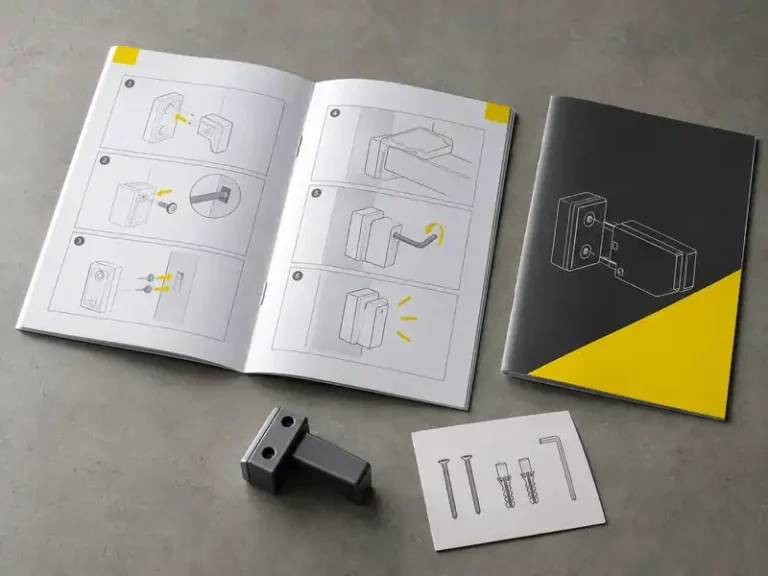
Saddle-Stitched Booklets
Custom stapled manuals for B2B projects. Discuss artwork, size, materials, printing, finishing and packing with Fengyi Packaging.
Saddle-stitched booklet buyer guide
Fengyi is a saddle stitch booklet printing manufacturer in Foshan, China, producing custom guides, catalogs, manuals and promotional booklets for international B2B buyers. Saddle stitching creates a clean, economical booklet by nesting folded sheets and fastening them through the centre. Begin with the final size, page count, quantity, content sequence, paper stocks, intended use and distribution method. These decisions control imposition, page creep, cover choice, staple position, opening behaviour, finishing and packed weight.
Review the complete booklet at final size. Check pagination, centre spread, trim, colour, opacity, staple position, opening, page creep and edge alignment. Confirm every version before production and test insertion, mailing or packed weight when the booklet travels with a product.
Request a saddle-stitch quotationProvide the finished size, page count, quantity, cover and text paper, print colours, artwork status, finishing, packing method, destination and target date. Include every language or edition and identify whether the booklet must fit inside packaging, mail at a target weight or open flat for instructions.
Saddle-stitched page counts are normally planned in multiples of four because folded sheets are nested and stapled through the centre. The practical maximum depends on paper thickness, finished size and the acceptable amount of page creep. A dummy made with the intended stocks should be checked before high-volume production.
Choose saddle stitching for slimmer booklets that should open easily and be economical to produce, such as programs, promotional brochures, product guides and shorter manuals. Perfect binding is better when a larger page count needs a clean square spine. The right choice depends on page count, paper thickness, intended life, opening behaviour and budget.
Approve a complete imposed and folded sample at final size. Check page order, centre spread, trim, bleed, image crossovers, colour, paper show-through, staple position, page creep and edge alignment. Confirm every edition separately and test the finished booklet in its package or mailing format when size and weight matter.