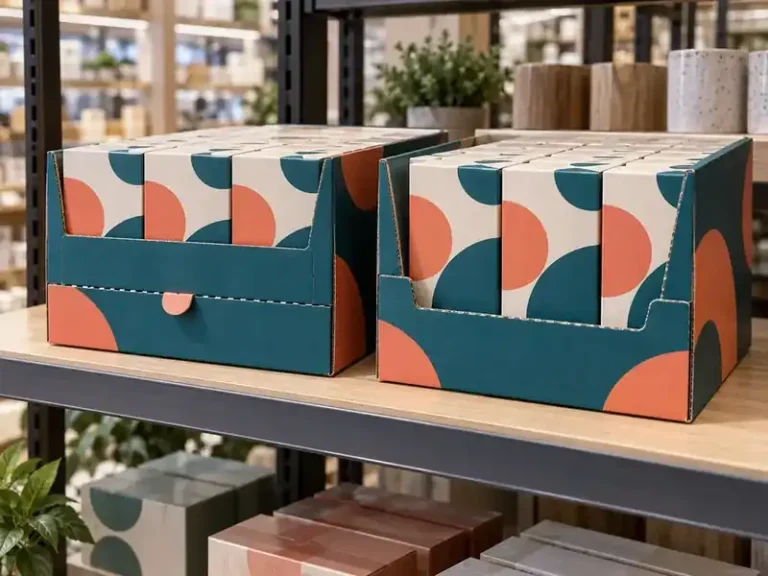
Shelf-Ready Packaging
Custom Branded Shelf-Ready Cartons
Custom branded shelf-ready cartons for protected distribution and coordinated retail presentation.
Product Category
Shelf-ready packaging planned around retail presentation, replenishment and transport needs.
Shelf-Ready Packaging
Custom branded shelf-ready cartons for protected distribution and coordinated retail presentation.
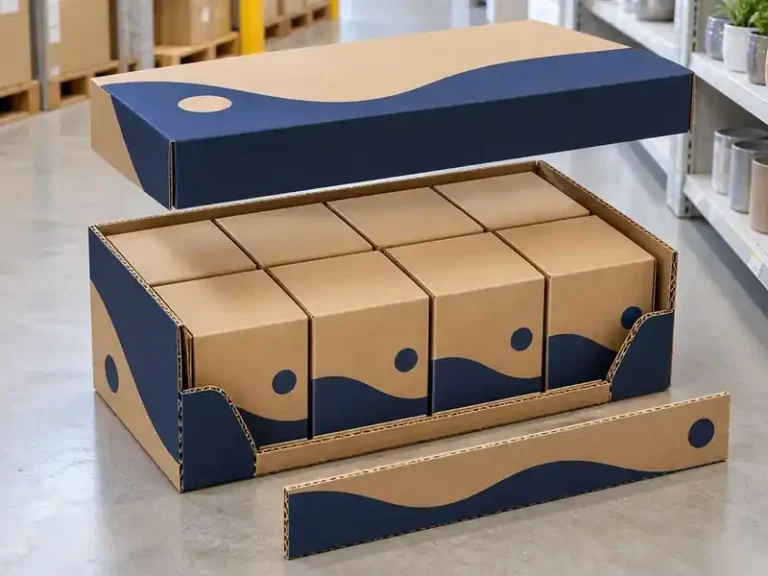
Shelf-Ready Packaging
Custom display-ready cases for B2B projects. Discuss artwork, size, materials, printing, finishing and packing with Fengyi Packaging.
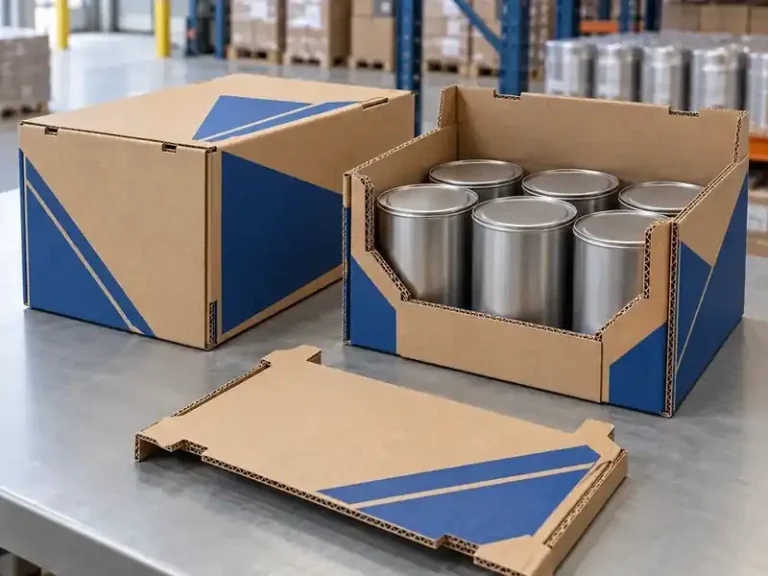
Shelf-Ready Packaging
Custom display-ready corrugated packs for B2B projects. Discuss artwork, size, materials, printing, finishing and packing with Fengyi Packaging.
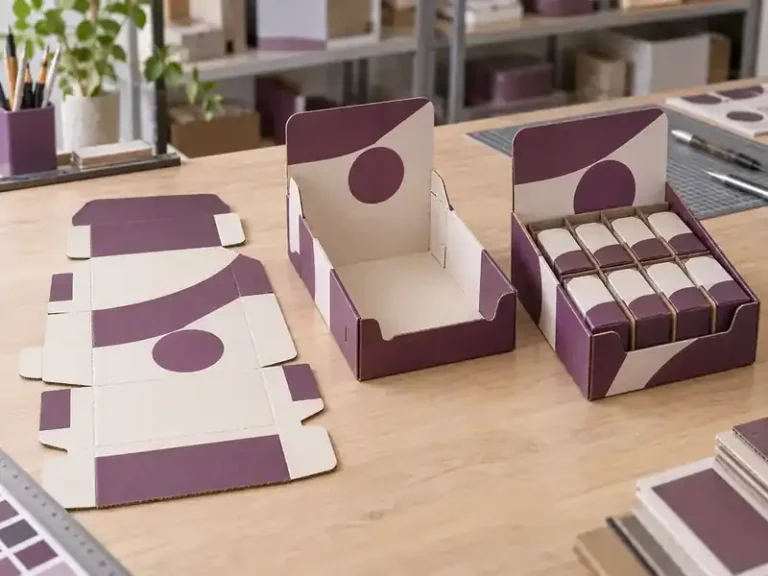
Shelf-Ready Packaging
Custom product tray packaging for B2B projects. Discuss artwork, size, materials, printing, finishing and packing with Fengyi Packaging.

Shelf-Ready Packaging
Custom retail distribution display packs for B2B projects. Discuss artwork, size, materials, printing, finishing and packing with Fengyi Packaging.
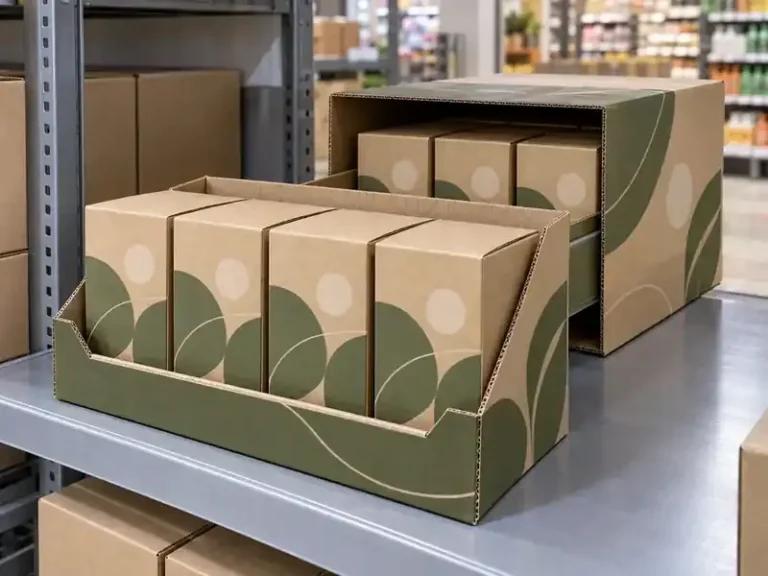
Shelf-Ready Packaging
Custom retail replenishment boxes for B2B projects. Discuss artwork, size, materials, printing, finishing and packing with Fengyi Packaging.
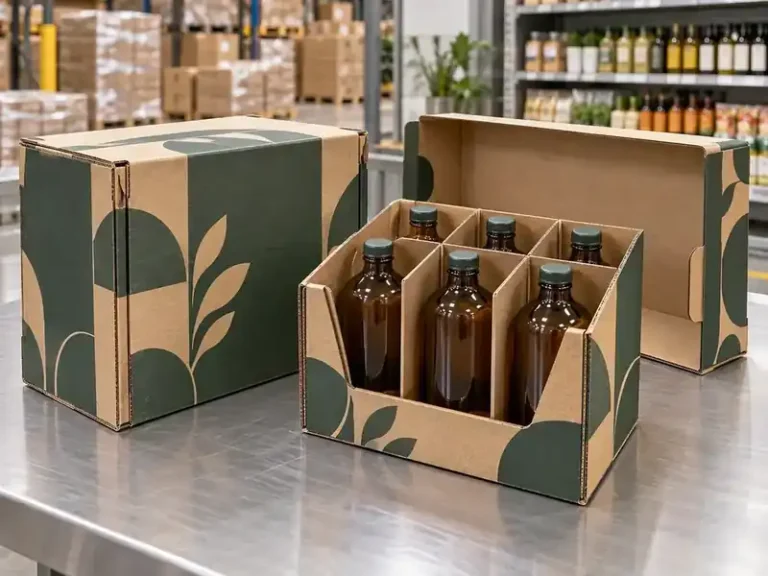
Shelf-Ready Packaging
Custom retail-ready shipping packs designed for transport, opening and efficient shelf replenishment.

Shelf-Ready Packaging
Custom shelf presentation cases for B2B projects. Discuss artwork, size, materials, printing, finishing and packing with Fengyi Packaging.

Shelf-Ready Packaging
Custom shelf-ready packaging designed to support transport, opening, replenishment and retail presentation.
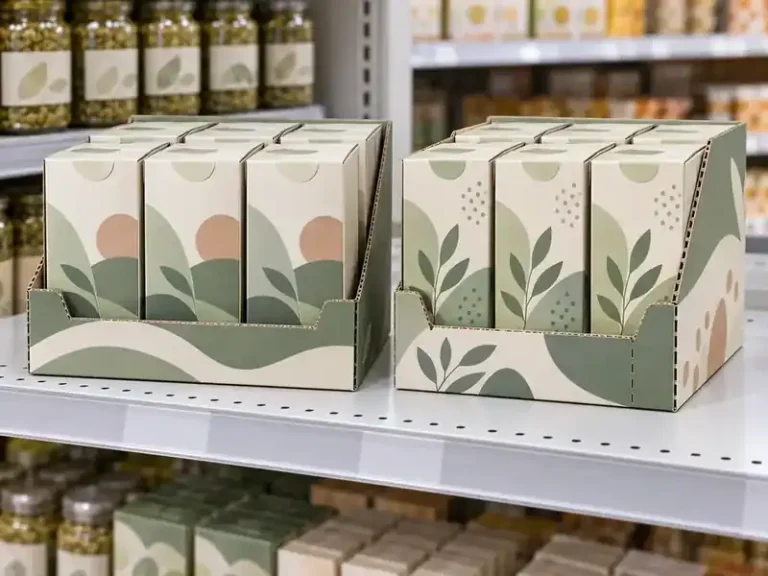
Shelf-Ready Packaging
Custom shelf-ready product cartons for B2B projects. Discuss artwork, size, materials, printing, finishing and packing with Fengyi Packaging.
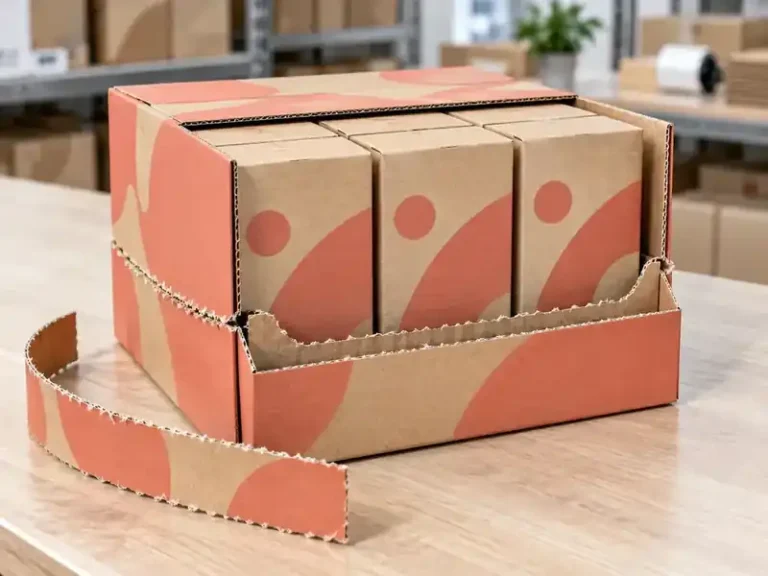
Shelf-Ready Packaging
Custom tear-open shelf packaging developed around transit protection and efficient retail display setup.
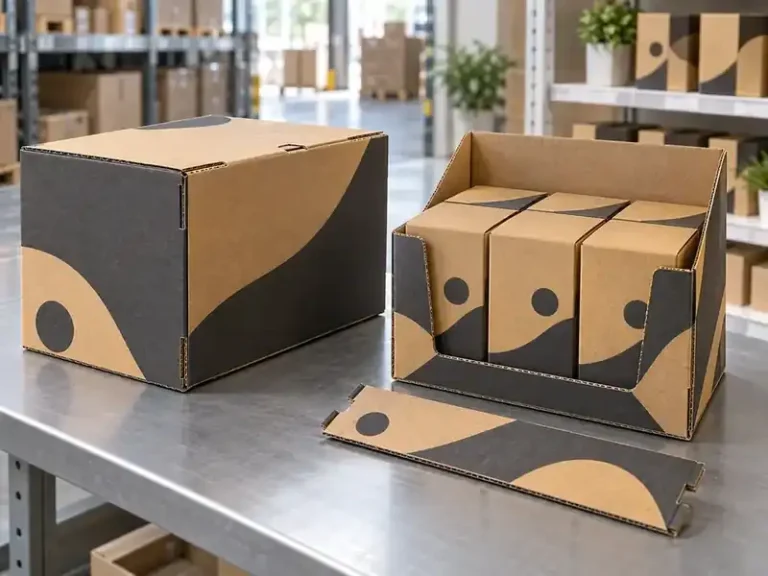
Shelf-Ready Packaging
Custom transport-to-shelf packaging for B2B projects. Discuss artwork, size, materials, printing, finishing and packing with Fengyi Packaging.
Shelf-ready packaging buyer guide
Effective shelf-ready packaging protects the product through distribution, opens cleanly in store and presents every facing without repacking. Begin with the real product dimensions and weight, case count, shelf footprint, opening direction and replenishment method. Those inputs guide the corrugated grade, perforation pattern, retaining walls, dividers and printed communication.
Approve a fully loaded sample after representative handling. Open it using the intended perforation, place it on the target shelf, check visibility and stability, then simulate product removal and replenishment. The test should confirm both distribution protection and the store team experience.
Request a shelf-ready packaging quotationShelf-ready and display-ready packaging usually combines a distribution case with a tray or opening feature that lets store staff place the packed unit directly on the shelf. A separate retail display can be a larger counter or floor structure. The correct format depends on the retailer, shelf footprint, replenishment routine and transport route.
Provide packed product dimensions and weight, case count, product orientation, number of facings, shelf width and depth, replenishment method, distribution route and any retailer guidelines. These details determine the tray height, opening direction, dividers, case strength and print zones.
Perforations must open cleanly without weakening the case during transport or leaving rough edges that obscure the product. Board grade, flute, cut pattern, tear-strip position and retaining walls should be assessed together against the loaded weight, stacking, handling and shelf life.
Yes. A representative loaded sample should be transported, opened and placed on the intended shelf to check protection, tear performance, stability, product visibility and replenishment. This is the most reliable way to identify product movement, difficult opening or an unsuitable front-wall height before production.