
Warranty & Care Cards
Custom After-Sales Care Cards
Custom after-sales care cards for B2B projects. Discuss artwork, size, materials, printing, finishing and packing with Fengyi Packaging.
Product Category
Printed warranty and care cards for branded product information and after-sales support.
Warranty & Care Cards
Custom after-sales care cards for B2B projects. Discuss artwork, size, materials, printing, finishing and packing with Fengyi Packaging.

Warranty & Care Cards
Custom branded product care inserts for B2B projects. Discuss artwork, size, materials, printing, finishing and packing with Fengyi Packaging.

Warranty & Care Cards
Custom care instruction cards for product cleaning, maintenance, storage and packaged guidance.
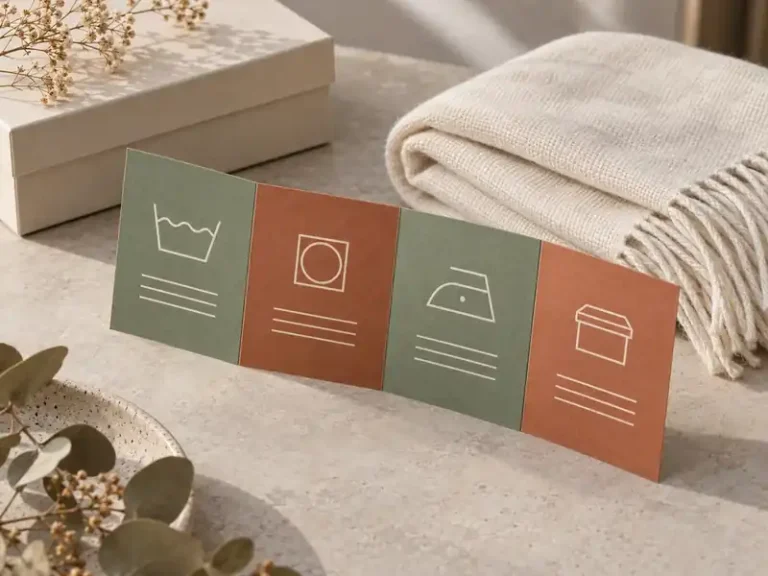
Warranty & Care Cards
Custom folded care cards for B2B projects. Discuss artwork, size, materials, printing, finishing and packing with Fengyi Packaging.
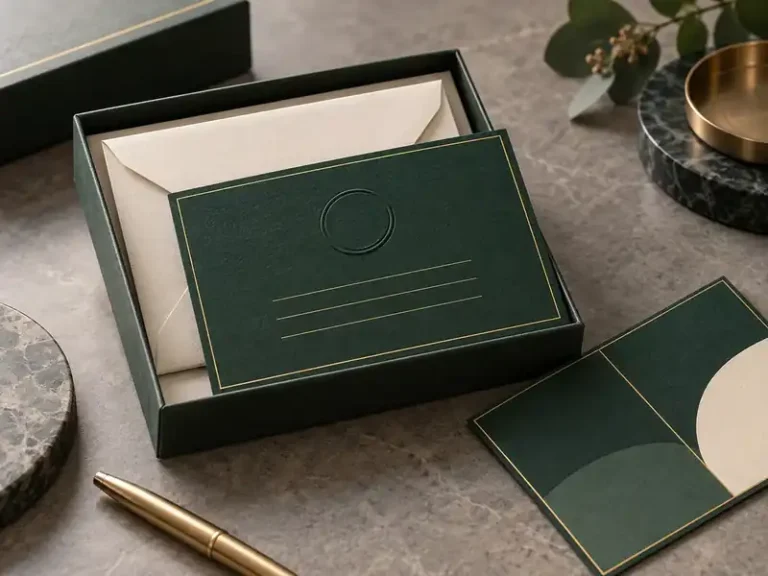
Warranty & Care Cards
Custom guarantee cards for B2B projects. Discuss artwork, size, materials, printing, finishing and packing with Fengyi Packaging.

Warranty & Care Cards
Custom printed support information cards for B2B projects. Discuss artwork, size, materials, printing, finishing and packing with Fengyi Packaging.
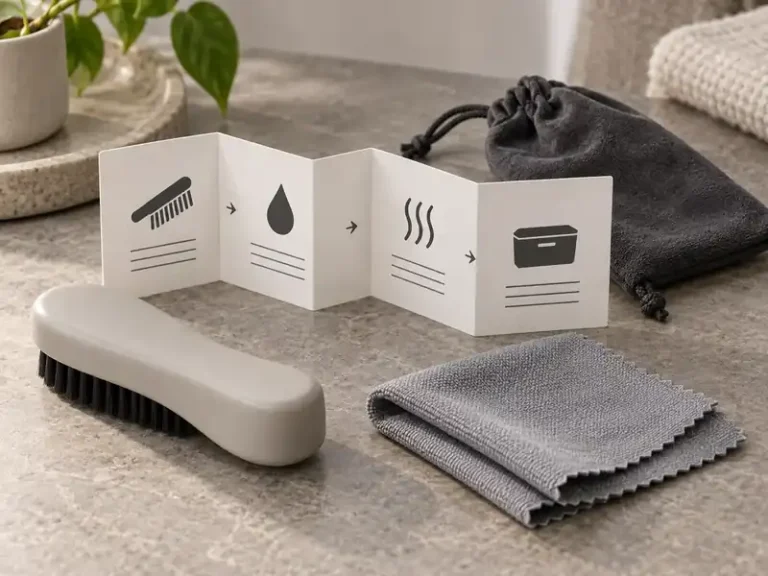
Warranty & Care Cards
Custom product maintenance cards for B2B projects. Discuss artwork, size, materials, printing, finishing and packing with Fengyi Packaging.
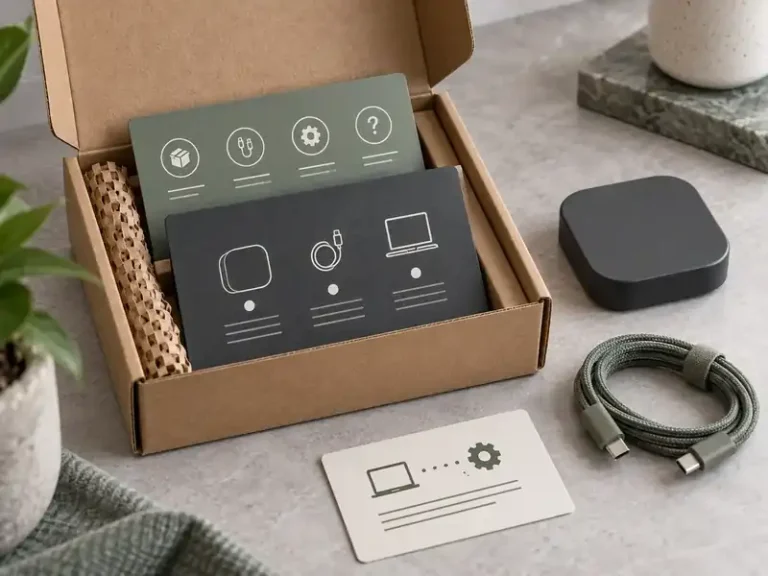
Warranty & Care Cards
Custom product support cards for B2B projects. Discuss artwork, size, materials, printing, finishing and packing with Fengyi Packaging.
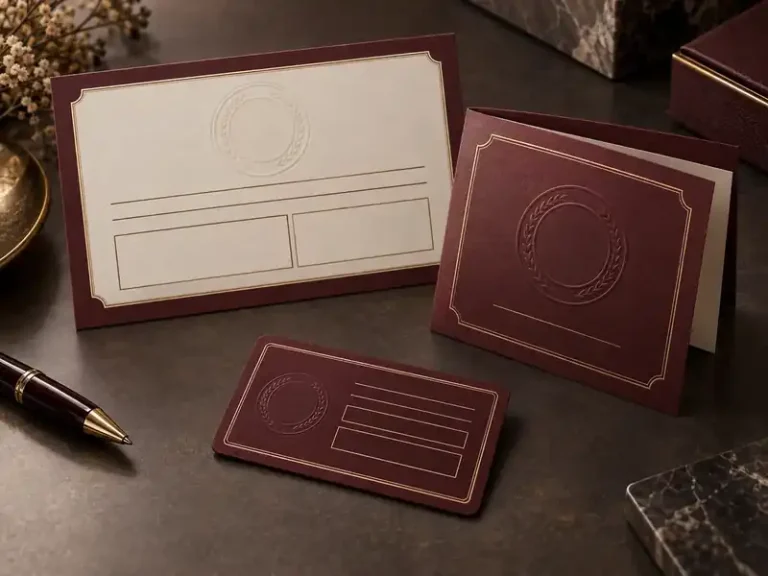
Warranty & Care Cards
Custom product warranty cards for registration details, support information and packaged documentation.

Warranty & Care Cards
Custom retail information cards for B2B projects. Discuss artwork, size, materials, printing, finishing and packing with Fengyi Packaging.

Warranty & Care Cards
Custom printed warranty and care cards for product support, maintenance guidance and after-sales information.
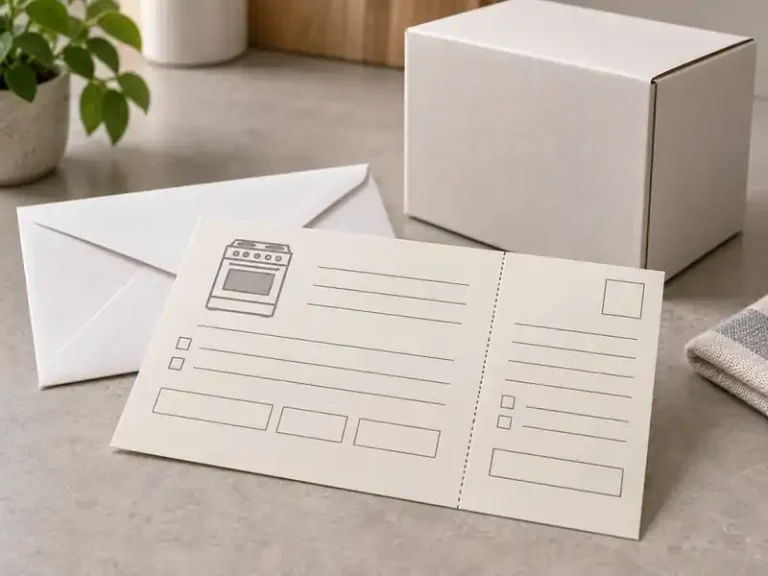
Warranty & Care Cards
Custom warranty registration cards for packaged product records, support and after-sales communication.
Warranty and care card buyer guide
Warranty, registration and care cards should make important product information easy to find without overloading a small insert. Begin with the approved content, language, finished pack space, writing or scanning needs and the customer journey after purchase. These inputs determine the card size, panel order, stock, coating, perforation and packing method.
Review a proof for content and language, then test a representative sample inside the final package. Confirm panel sequence, legibility, writing performance, code accuracy, fold and perforation behaviour, insertion speed and the way customers remove and keep the card before approving mass production.
Request a warranty card quotationProvide the final card size, flat or folded format, number of panels, language and approved content, print-ready artwork or design status, quantity, preferred card stock and finish, and the way the cards will be packed with the product. Also identify any writable fields, perforations, envelopes or product-specific handling requirements.
Flat or rounded-corner cards suit concise care and support information, while folded cards provide more space for steps, warnings or multilingual content. Perforated sections can support return or registration workflows. Coated stocks improve colour and wipe resistance, while uncoated stocks are usually easier to write on. The final choice should match content length, handling and pack-out space.
Yes, when the required data source and workflow are defined before production. Confirm whether each piece needs a unique code, serial reference, registration field or scannable link, who supplies and verifies the data, and how customer information will be handled. Variable data and QR codes should be tested for accuracy and scan performance before the full run is approved.
Yes. Approve content, language, panel order, writable areas, code function, colour and finishing on a proof. A production-equivalent sample is recommended when folds, perforations, coatings, small type, card thickness or insertion into the final package are important. Test the complete pack-out before mass production.